
تلعب المستلزمات الطبية التي تستخدم لمرة واحدة دورًا رئيسيًا في الإجراءات السريرية الحديثة
مقدمة
ما هي المستلزمات الطبية التي يمكن التخلص منها؟
تطور المستلزمات الطبية التي تستخدم لمرة واحدة
لماذا تعتبر اللوازم الطبية التي تستخدم لمرة واحدة ضرورية في الإجراءات السريرية الحديثة
الفئات الرئيسية للمستلزمات الطبية التي تستخدم لمرة واحدة
اللوازم الطبية التي يمكن التخلص منها المستخدمة في المستشفيات
اللوازم الطبية التي يمكن التخلص منها المستخدمة في العيادات ومراكز العيادات الخارجية
اللوازم الطبية التي يمكن التخلص منها في حالات الطوارئ والرعاية الحرجة
الوقاية من العدوى وسلامة المرضى
فوائد المستلزمات الطبية التي تستخدم لمرة واحدة
ميزات المنتج والخصائص التقنية
المواصفات العامة للمستلزمات الطبية التي تستخدم لمرة واحدة
المواد المستخدمة في المنتجات الطبية التي تستخدم لمرة واحدة
تقنيات التصنيع وضمان الجودة
الامتثال التنظيمي ومعايير الصناعة
أهمية سلسلة التوريد في الرعاية الصحية
اتجاهات الاستدامة في المستلزمات الطبية التي تستخدم لمرة واحدة
الابتكارات المستقبلية وتوقعات السوق
الأسئلة المتداولة
خاتمة
مقدمة
أصبحت المستلزمات الطبية التي تستخدم لمرة واحدة واحدة من أهم مكونات أنظمة الرعاية الصحية الحديثة. كل يوم، يعتمد متخصصو الرعاية الصحية على المنتجات الطبية التي تستخدم لمرة واحدة لتشخيص الأمراض، وإدارة العلاجات، وإجراء العمليات الجراحية، وجمع العينات البيولوجية، وإدارة العلاجات الوريدية، ودعم تعافي المرضى.
أدى التركيز المتزايد على سلامة المرضى والوقاية من العدوى والكفاءة السريرية والامتثال التنظيمي إلى زيادة كبيرة في استخدام الإمدادات الطبية التي تستخدم لمرة واحدة في المستشفيات والعيادات والمختبرات وأقسام الطوارئ والمراكز الجراحية وبيئات الرعاية الصحية المنزلية.
تعتمد الرعاية الصحية الحديثة على المنتجات التي توفر جودة متسقة وأداء موثوقًا وحماية معقمة. تساعد المنتجات الطبية التي تستخدم لمرة واحدة مقدمي الرعاية الصحية على تقليل مخاطر التلوث، وتبسيط سير العمل، وتحسين نتائج المرضى، والحفاظ على معايير عالية من الرعاية.
مع استمرار توسع البنية التحتية للرعاية الصحية في جميع أنحاء العالم، تلعب المستلزمات الطبية التي تستخدم لمرة واحدة دورًا متزايد الأهمية في دعم الإجراءات السريرية وتحسين تقديم الرعاية الصحية.
يتناول هذا الدليل الشامل أهمية المستلزمات الطبية التي تستخدم لمرة واحدة في الإجراءات السريرية الحديثة، ويستكشف فئات المنتجات الرئيسية، ويناقش المواصفات ومعايير الجودة، ويسلط الضوء على الاتجاهات المستقبلية التي تشكل الصناعة.
ما هي المستلزمات الطبية التي يمكن التخلص منها؟
اللوازم الطبية التي تستخدم لمرة واحدة هي منتجات رعاية صحية مخصصة للتطبيقات ذات الاستخدام الواحد. بعد اكتمال الإجراء أو العلاج، يتم التخلص من المنتج بدلاً من إعادة استخدامه.
تم تصميم هذه المنتجات من أجل:
دعم الإجراءات السريرية
تقليل مخاطر التلوث
الحفاظ على معايير النظافة
تحسين كفاءة الرعاية الصحية
حماية المرضى والمتخصصين في الرعاية الصحية
يتم استخدام المنتجات الطبية التي تستخدم لمرة واحدة في كل أماكن الرعاية الصحية تقريبًا.
اللوازم الطبية التي تستخدم لمرة واحدة هي منتجات طبية تستخدم لمرة واحدة ويتم تصنيعها لتطبيقات التشخيص والعلاج والمراقبة والجراحة ومكافحة العدوى.
تم تطويرها لتوفير:
جودة متسقة
أداء معقم
وظائف موثوقة
حماية المريض
الكفاءة السريرية
لقد أدى الاعتماد الواسع النطاق للمنتجات الطبية التي تستخدم لمرة واحدة إلى إحداث تحول في ممارسات الرعاية الصحية في جميع أنحاء العالم.
تطور المستلزمات الطبية التي تستخدم لمرة واحدة
لقد توسع استخدام المنتجات الطبية التي تستخدم لمرة واحدة بشكل كبير خلال العقود القليلة الماضية.
اعتمدت أنظمة الرعاية الصحية السابقة بشكل كبير على الأدوات والأجهزة القابلة لإعادة الاستخدام.
التحديات شملت:
التعقيم يستغرق وقتا طويلا
زيادة مخاطر التلوث
متطلبات صيانة أكبر
ارتفاع تكاليف العمالة
توفر المنتجات الحديثة التي تستخدم لمرة واحدة بدائل عملية تعمل على تحسين الكفاءة والسلامة.

| فترة | تطوير الصناعة |
|---|---|
| التبني المبكر | تم تقديم المنتجات الأساسية التي يمكن التخلص منها |
| مرحلة التوسع | الاستخدام على نطاق أوسع عبر مرافق الرعاية الصحية |
| التركيز على السلامة | تحسين تصاميم الوقاية من العدوى |
| العصر الحديث | المواد المتقدمة وتقنيات السلامة |
| الاتجاه المستقبلي | التصنيع الذكي والاستدامة |
اليوم، تمثل المستلزمات الطبية التي تستخدم لمرة واحدة عنصرًا أساسيًا في تقديم الرعاية الصحية.
لماذا تعتبر اللوازم الطبية التي تستخدم لمرة واحدة ضرورية في الإجراءات السريرية الحديثة
تتطلب الإجراءات السريرية الحديثة منتجات تدعم الدقة والكفاءة وسلامة المرضى.
تساعد المنتجات التي تستخدم لمرة واحدة متخصصي الرعاية الصحية على تنفيذ الإجراءات في ظل ظروف صحية وخاضعة للرقابة.
تدير مرافق الرعاية الصحية أعدادًا كبيرة من المرضى يوميًا.
تساعد المنتجات التي تستخدم لمرة واحدة على:
تقليل وقت التحضير
القضاء على متطلبات التعقيم
تبسيط سير العمل
تحسين أوقات تنفيذ الإجراءات
وتساهم هذه المزايا في زيادة كفاءة عمليات الرعاية الصحية.
تبقى سلامة المرضى الهدف الأساسي لأنظمة الرعاية الصحية.
تدعم المستلزمات الطبية التي تستخدم لمرة واحدة سلامة المرضى من خلال:
تصميم المنتجات العقيمة
تقليل مخاطر التلوث
جودة التصنيع متسقة
أداء موثوق
تساعد المنتجات عالية الجودة التي تستخدم لمرة واحدة على تحسين نتائج العلاج.
الفئات الرئيسية للمستلزمات الطبية التي تستخدم لمرة واحدة
تشمل الإمدادات الطبية التي تستخدم لمرة واحدة مجموعة واسعة من منتجات الرعاية الصحية.
توفر أجهزة الوصول الوريدي إمكانية الوصول إلى الأوعية الدموية من أجل:
إدارة الدواء
العلاج بالسوائل
عمليات نقل الدم
الدعم الغذائي
تشمل الأمثلة الشائعة ما يلي:
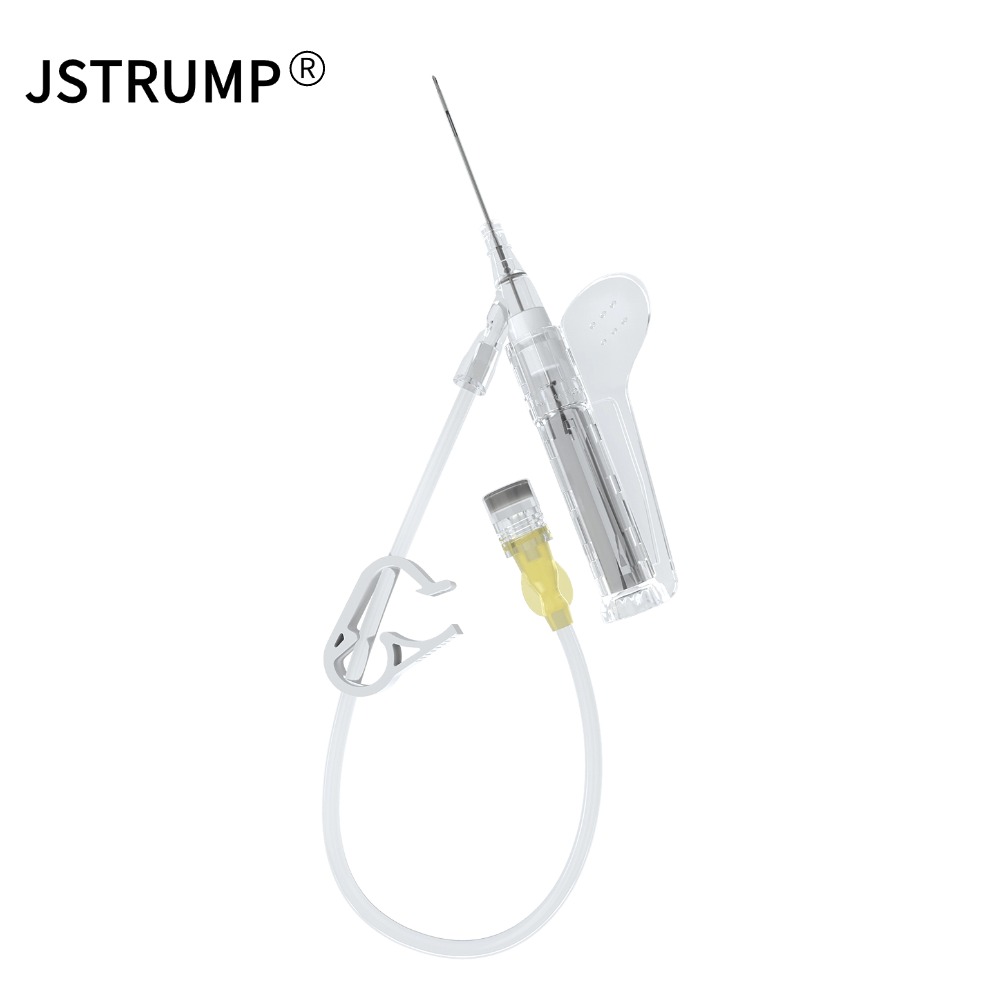
قنية IV
قنية السلامة الرابعة
مجموعات التمديد
ملحقات التسريب
تدعم منتجات جمع الدم الاختبارات التشخيصية ومراقبة المرضى.
تشمل الأمثلة ما يلي:
مشارط السلامة
المشارط المتاح
أجهزة أخذ العينات
تساعد هذه المنتجات على ضمان جمع العينات بدقة.
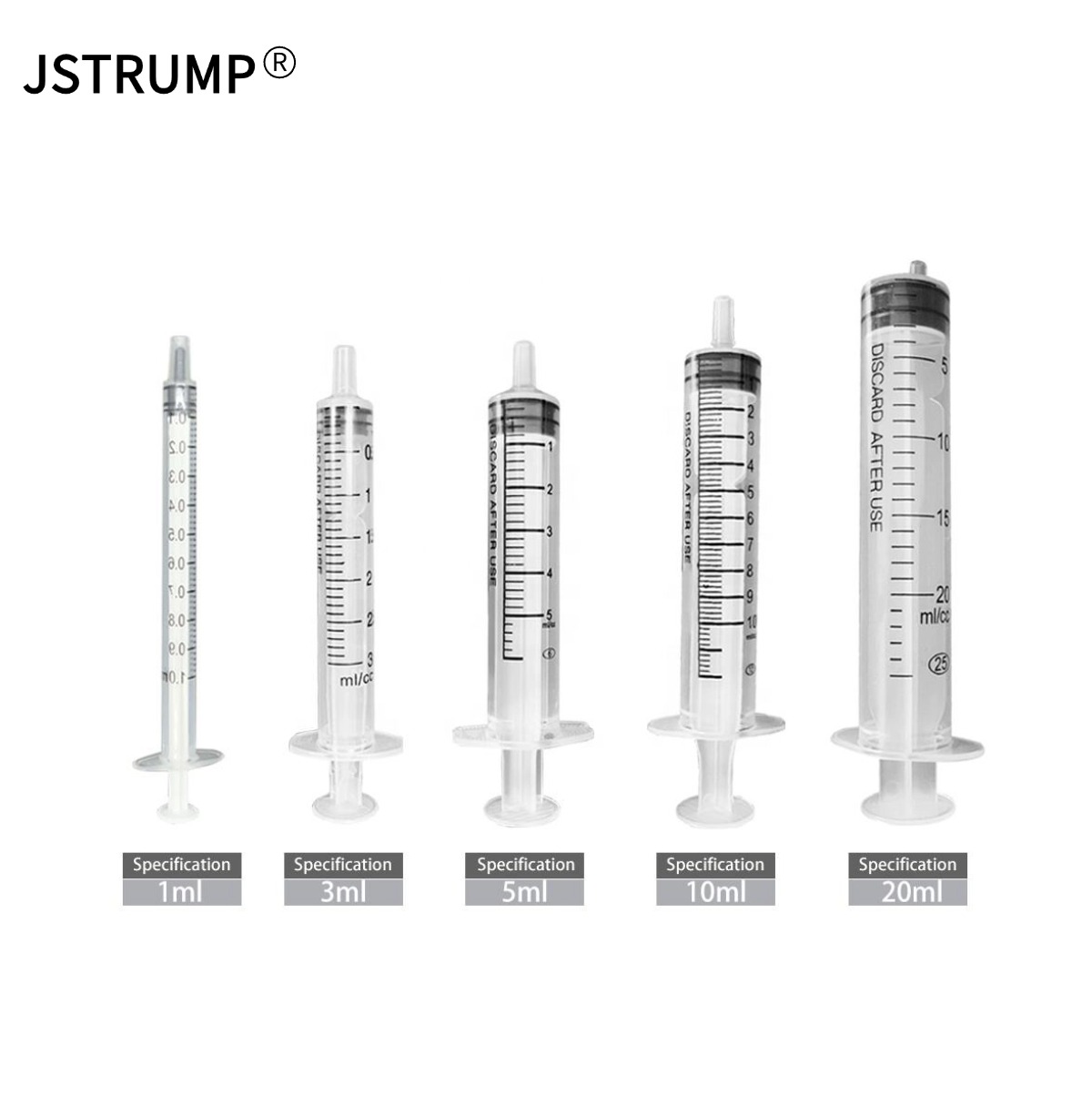
تعتبر المنتجات المرتبطة بالحقن ضرورية لتقديم الرعاية الصحية.
أمثلة:
المحاقن التي يمكن التخلص منها
إبر الحقن
أنظمة حقن السلامة
تشمل التطبيقات:
التطعيمات
تسليم الدواء
العلاج في حالات الطوارئ
تسهل منتجات التسريب إدارة السوائل والأدوية الخاضعة للرقابة.
المنتجات المشتركة:
مجموعات التسريب
تمديد الأنابيب
الموصلات
هذه المنتجات تدعم مجموعة واسعة من العلاجات.
تساعد منتجات إدارة الجروح على دعم الشفاء والوقاية من العدوى.
تشمل الأمثلة ما يلي:
الضمادات
الضمادات
شاش معقم
ملحقات إغلاق الجرح
تساعد منتجات الحماية على حماية المتخصصين في الرعاية الصحية والمرضى.
أمثلة:
قفازات الفحص
القفازات الجراحية
أقنعة الوجه
ملابس واقية
اللوازم الطبية التي يمكن التخلص منها المستخدمة في المستشفيات
تعد المستشفيات من بين أكبر مستخدمي المنتجات الطبية التي تستخدم لمرة واحدة.
تعتمد فرق الرعاية الصحية على هذه المنتجات في كل جانب من جوانب رعاية المرضى تقريبًا.
تتطلب رعاية الطوارئ الوصول السريع إلى المنتجات الموثوقة التي يمكن التخلص منها.
العناصر شائعة الاستخدام:
أجهزة الوصول الرابع
لوازم جمع الدم
المحاقن
منتجات التسريب
الوصول السريع إلى هذه المنتجات يدعم العلاج في الوقت المناسب.
غالبًا ما يحتاج مرضى وحدة العناية المركزة إلى:
العلاج الرابع المستمر
أخذ عينات الدم بشكل متكرر
ضخ الدواء
الدعم الغذائي
تساعد المنتجات التي تستخدم لمرة واحدة في الحفاظ على سلامة المرضى أثناء العلاج المكثف.
تتطلب الإجراءات الجراحية منتجات معقمة يمكن التخلص منها.
أمثلة:
الستائر الجراحية
قفازات
منتجات التسريب
ملحقات جمع الدم
تدعم هذه المنتجات الوقاية من العدوى أثناء الجراحة.
اللوازم الطبية التي يمكن التخلص منها المستخدمة في العيادات ومراكز العيادات الخارجية
تعتمد العيادات على المنتجات التي تستخدم لمرة واحدة في خدمات الرعاية الصحية الروتينية.
تشمل التطبيقات:
فحوصات المرضى
التطعيمات
الاختبارات التشخيصية
إجراءات بسيطة
تساعد المنتجات التي تستخدم لمرة واحدة في الحفاظ على الكفاءة والنظافة.
اللوازم الطبية التي يمكن التخلص منها في حالات الطوارئ والرعاية الحرجة
يعتمد طب الطوارئ بشكل كبير على المنتجات التي يمكن التخلص منها.
غالبًا ما يحتاج متخصصو الرعاية الصحية إلى الوصول الفوري إلى:
قنية IV
أجهزة جمع الدم
المحاقن
مجموعات التسريب
تدعم المنتجات الموثوقة التدخل السريع.
غالبًا ما يحتاج مرضى الرعاية الحرجة إلى:
العلاج المستمر
المراقبة المتكررة
علاجات متعددة
تساعد المنتجات التي تستخدم لمرة واحدة على تسهيل خطط العلاج المعقدة هذه.
الوقاية من العدوى وسلامة المرضى
من أهم مزايا المستلزمات الطبية التي تستخدم لمرة واحدة هي الوقاية من العدوى.
ولا تزال حالات العدوى المرتبطة بالرعاية الصحية تشكل مصدر قلق كبير.
تساعد المنتجات التي تستخدم لمرة واحدة على تقليل مخاطر العدوى عن طريق القضاء على إعادة الاستخدام.
| ميزة | الفائدة السريرية |
|---|---|
| تصميم للاستخدام الفردي | انخفاض التلوث |
| التعبئة والتغليف المعقمة | حماية المنتج |
| ميزات السلامة | تحسين سلامة العمال |
| جودة متسقة | أداء موثوق |
تعطي مرافق الرعاية الصحية الأولوية بشكل متزايد للحلول التي تستخدم لمرة واحدة كجزء من استراتيجيات مكافحة العدوى.
فوائد المستلزمات الطبية التي تستخدم لمرة واحدة
توفر المنتجات الطبية التي يمكن التخلص منها العديد من المزايا.
تساعد المنتجات التي تستخدم لمرة واحدة في الحفاظ على بيئات سريرية نظيفة.
تشمل الفوائد ما يلي:
انخفاض التلوث
إجراءات مبسطة
الوقاية من العدوى بشكل أفضل
تستفيد مرافق الرعاية الصحية من:
انخفاض احتياجات التعقيم
إعداد الإجراء بشكل أسرع
تحسين إدارة سير العمل
تساعد المنتجات عالية الجودة على ضمان:
أداء يمكن التنبؤ به
نتائج سريرية موثوقة
تحسين تجارب المرضى
تشمل فوائد السلامة ما يلي:
تقليل مخاطر التعرض
انخفاض فرص التلوث
حماية أفضل للمريض
ميزات المنتج والخصائص التقنية
تشتمل المستلزمات الطبية الحديثة التي تستخدم لمرة واحدة على العديد من الميزات المتقدمة.
التعبئة والتغليف المعقمة
تصميم للاستخدام الفردي
المواد الطبية
التصنيع الدقيق
تصميم مريح
تدعم هذه الميزات الأداء السريري وسلامة المرضى.
| مميزة | فائدة |
|---|---|
| العقم | الوقاية من العدوى |
| مصداقية | نتائج متسقة |
| التوافق الحيوي | سلامة المرضى |
| متانة | سلامة المنتج |
| سهولة الاستخدام | تحسين الكفاءة |
المواصفات العامة للمستلزمات الطبية التي تستخدم لمرة واحدة
تختلف المواصفات حسب نوع المنتج.
| مواصفة | وصف |
|---|---|
| نوع المنتج | الإمدادات الطبية القابل للتصرف |
| الاستخدام المقصود | استخدام واحد |
| العقم | معقمة أو غير معقمة |
| مادة | مادة طبية |
| التعبئة والتغليف | فردية أو بالجملة |
| مدة الصلاحية | تحديد الشركة المصنعة |
| شروط التخزين | بيئة خاضعة للرقابة |
| امتثال | معايير الرعاية الصحية المعمول بها |
تساعد هذه المواصفات مؤسسات الرعاية الصحية على تقييم مدى ملاءمة المنتج.
المواد المستخدمة في المنتجات الطبية التي تستخدم لمرة واحدة
يؤثر اختيار المواد بشكل كبير على أداء المنتج.
| ملكية | أهمية |
|---|---|
| التوافق الحيوي | سلامة المرضى |
| المرونة | راحة المستخدم |
| متانة | موثوقية المنتج |
| توافق التعقيم | امتثال |
| الشفافية | التفتيش البصري |
يقوم المصنعون باستمرار بتحسين المواد لتحسين الأداء الوظيفي.
تقنيات التصنيع وضمان الجودة
يتم إنتاج المستلزمات الطبية الحديثة ذات الاستعمال الواحد باستخدام أنظمة تصنيع متقدمة.
تشمل التقنيات الشائعة ما يلي:
صب الحقن الدقيق
التجميع الآلي
مراقبة العمليات الرقمية
أنظمة التعبئة والتغليف المتقدمة
تساعد هذه التقنيات على تحسين الاتساق والكفاءة.
يقوم المصنعون عادةً بتنفيذ ما يلي:
عمليات فحص المواد
التحقق من صحة العملية
الاختبار الوظيفي
التحقق من التغليف
ضمان العقم
ضمان الجودة يدعم الأداء الموثوق للمنتج.
الامتثال التنظيمي ومعايير الصناعة
يجب أن تستوفي المستلزمات الطبية التي تستخدم لمرة واحدة متطلبات الجودة والسلامة الصارمة.
يركز المصنعون على:
سلامة المنتج
إدارة المخاطر
إمكانية التتبع
مراقبة التوثيق
التحقق من صحة العملية
الامتثال يدعم ثقة مقدمي الرعاية الصحية.
أهمية سلسلة التوريد في الرعاية الصحية
تضمن سلاسل التوريد الموثوقة توافر المنتج بشكل مستمر.
تعتمد مرافق الرعاية الصحية على:
مستويات مخزون مستقرة
التسليم في الوقت المناسب
جودة متسقة
تؤثر موثوقية سلسلة التوريد بشكل مباشر على رعاية المرضى.
| فائدة | تأثير |
|---|---|
| توفر المنتج | الرعاية المستمرة |
| مراقبة المخزون | تخطيط أفضل |
| تقليل النقص | الاستقرار التشغيلي |
| لوجستية فعالة | تسليم أسرع |
اتجاهات الاستدامة في المستلزمات الطبية التي تستخدم لمرة واحدة
أصبحت المسؤولية البيئية ذات أهمية متزايدة.
تشمل مبادرات الصناعة ما يلي:
التغليف المستدام
الحد من النفايات
تحسين الموارد
إنتاج موفر للطاقة
تأخذ مؤسسات الرعاية الصحية بشكل متزايد في الاعتبار الاستدامة أثناء اتخاذ قرارات الشراء.
الابتكارات المستقبلية وتوقعات السوق
تستمر صناعة المستلزمات الطبية التي تستخدم لمرة واحدة في التطور.
وتشمل التطورات المتوقعة ما يلي:
تقنيات السلامة المتقدمة
تحسين أداء المواد
أنظمة التصنيع الذكية
تكامل استدامة أكبر
ومن المتوقع أن يظل الطلب على الرعاية الصحية قويا في المستقبل المنظور.
الأسئلة المتداولة
اللوازم الطبية التي تستخدم لمرة واحدة هي منتجات رعاية صحية تستخدم لمرة واحدة ومصممة للتشخيص والعلاج والمراقبة والوقاية من العدوى.
فهي تساعد في تقليل مخاطر التلوث، وتحسين سلامة المرضى، ودعم تقديم الرعاية الصحية بكفاءة.
تشمل الأمثلة أجهزة الوصول الوريدي، والمحاقن، ومنتجات جمع الدم، ومنتجات التسريب، والقفازات، والمواد الاستهلاكية التشخيصية.
أنها توفر حلولاً معقمة وموثوقة ومتسقة تدعم العلاج الآمن والفعال.
تسعى المستشفيات إلى تحسين مكافحة العدوى والكفاءة التشغيلية والامتثال التنظيمي.
خاتمة
تلعب اللوازم الطبية التي تستخدم لمرة واحدة دورًا رئيسيًا في الإجراءات السريرية الحديثة لأنها تدعم سلامة المرضى والوقاية من العدوى والكفاءة السريرية وتقديم الرعاية الصحية الموثوقة. بدءًا من أجهزة الوصول الوريدي ومنتجات جمع الدم إلى المحاقن ومنتجات التسريب ومستلزمات العناية بالجروح ومعدات الحماية، تعد المنتجات الطبية التي تستخدم لمرة واحدة ضرورية في كل بيئة رعاية صحية تقريبًا.
مع استمرار تطور أنظمة الرعاية الصحية، سيظل الطلب على المستلزمات الطبية عالية الجودة التي تستخدم لمرة واحدة قويًا. سوف تستمر التطورات في المواد وتقنيات التصنيع وهندسة السلامة وإدارة الجودة ومبادرات الاستدامة في تحسين أداء المنتج ودعم نتائج أفضل للرعاية الصحية في جميع أنحاء العالم.
يستخدم هذا الموقع ملفات تعريف الارتباط لضمان حصولك على أفضل تجربة على موقعنا.






 هاتف
هاتف
تعليق
(0)