
تؤثر اتجاهات الرعاية الصحية المستقبلية على الابتكار بين الشركات المصنعة للمستهلكات الطبية
مقدمة
فهم تصنيع المستهلكات الطبية
دور المستهلكات الطبية في الرعاية الصحية الحديثة
اتجاهات الرعاية الصحية المستقبلية تعيد تشكيل الصناعة
كيف يعمل الابتكار على تحويل صناعة المواد الاستهلاكية الطبية
الفئات الرئيسية للمستهلكات الطبية
التقنيات المتقدمة تقود تطوير المنتجات
التصنيع والصناعة الذكية 4.0
الابتكارات المادية في المستهلكات الطبية
اتجاهات سلامة المرضى والوقاية من العدوى
الاستدامة والمسؤولية البيئية
مواصفات المنتج وخصائصه الفنية
الامتثال التنظيمي وإدارة الجودة
تحول سلسلة التوريد والتوزيع العالمي
التحديات التي تواجه مصنعي المواد الاستهلاكية الطبية
الفرص الناشئة في أسواق الرعاية الصحية
النظرة المستقبلية لصناعة المستهلكات الطبية
الأسئلة المتداولة
خاتمة
مقدمة
تشهد صناعة الرعاية الصحية تحولًا سريعًا مدفوعًا بالتقدم التكنولوجي والتغيرات الديموغرافية وتوقعات المرضى المتطورة والتطورات التنظيمية وتزايد متطلبات الرعاية الصحية العالمية. تخلق هذه التغييرات فرصًا وتحديات جديدة لمصنعي المواد الاستهلاكية الطبية، وتشجع الابتكار المستمر عبر تصميم المنتجات والمواد وعمليات التصنيع وأنظمة إدارة الجودة وعمليات سلسلة التوريد.
المواد الاستهلاكية الطبية هي منتجات أساسية تستخدم يوميًا في المستشفيات والعيادات والمختبرات ومراكز الرعاية المتنقلة وأقسام الطوارئ والمرافق الجراحية وبيئات الرعاية الصحية المنزلية. تدعم المنتجات مثل أجهزة الوصول الوريدي، ومستلزمات جمع الدم، ومشارط الأمان، والمحاقن، ومجموعات التسريب، والقسطرة، والمواد الاستهلاكية التشخيصية تقريبًا كل جانب من جوانب تقديم الرعاية الصحية.
مع استمرار تطور أنظمة الرعاية الصحية، تعمل الشركات المصنعة على تطوير حلول مبتكرة تعمل على تحسين سلامة المرضى والكفاءة السريرية والوقاية من العدوى والاستدامة والأداء التشغيلي. تؤثر اتجاهات الرعاية الصحية المستقبلية بشكل كبير على اتجاه تطوير المنتجات واستراتيجيات التصنيع في جميع أنحاء قطاع المواد الاستهلاكية الطبية.
يستكشف هذا الدليل الشامل كيف تشكل اتجاهات الرعاية الصحية الناشئة الابتكار بين الشركات المصنعة للمستهلكات الطبية ويفحص التقنيات والمواد ومحركات السوق وتطورات الصناعة المتوقع أن تؤثر على النمو المستقبلي.
فهم تصنيع المستهلكات الطبية
يتضمن تصنيع المواد الاستهلاكية الطبية تصميم وإنتاج واختبار وتعقيم وتعبئة وتوزيع منتجات الرعاية الصحية المخصصة للاستخدام السريري.
تم تصميم هذه المنتجات عادةً من أجل:
تطبيقات ذات الاستخدام الواحد
الوقاية من العدوى
الإجراءات التشخيصية
التدخلات العلاجية
مراقبة المريض
رعاية الطوارئ
يركز المصنعون على تقديم المنتجات التي تلبي متطلبات الجودة والسلامة والمتطلبات التنظيمية الصارمة.
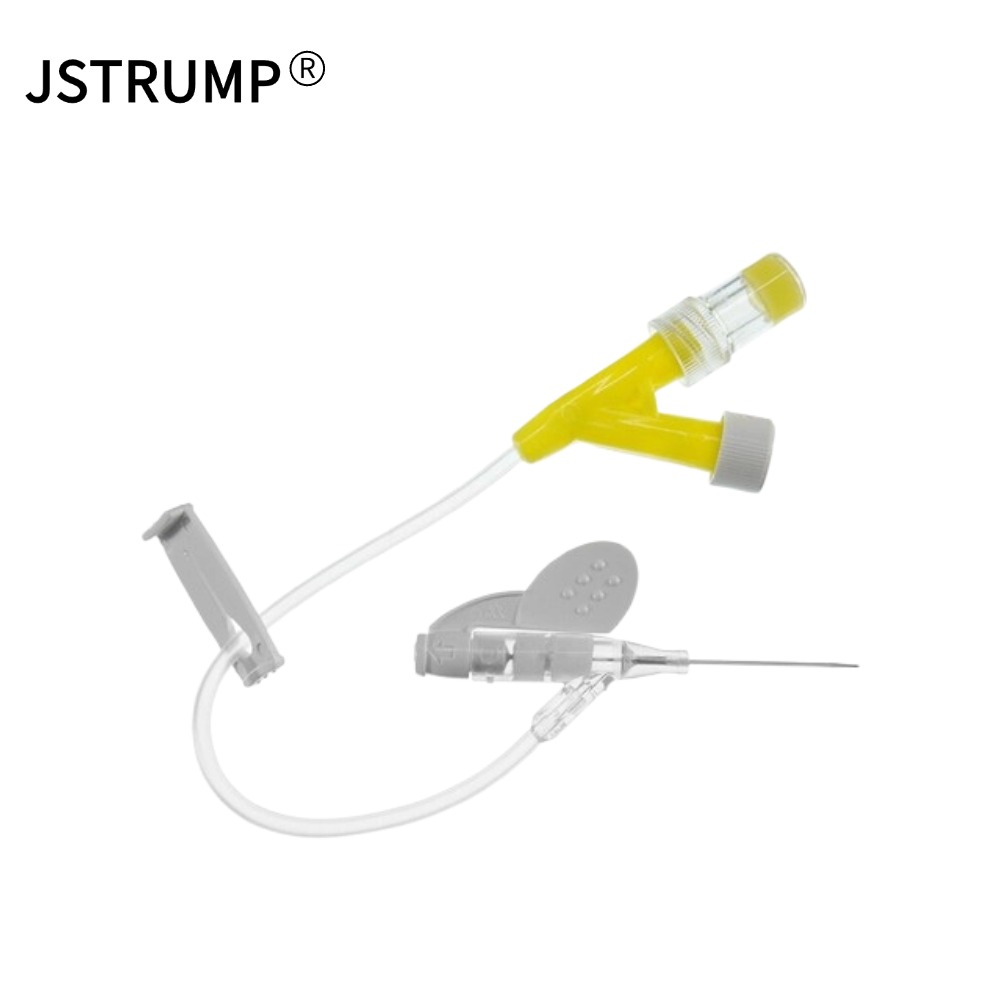
المواد الاستهلاكية الطبية هي منتجات رعاية صحية يمكن التخلص منها تستخدم أثناء رعاية المرضى والتشخيص والعلاج والمراقبة.
تشمل الأمثلة ما يلي:
قنية IV
قنية السلامة الرابعة
مشارط السلامة
المحاقن التي يمكن التخلص منها
مجموعات التسريب
أجهزة جمع العينات
القسطرة
منتجات العناية بالجروح
معدات الحماية الشخصية
تلعب هذه المنتجات دورًا حيويًا في الحفاظ على كفاءة عمليات الرعاية الصحية.
دور المستهلكات الطبية في الرعاية الصحية الحديثة
تدعم المستهلكات الطبية مقدمي الرعاية الصحية من خلال تمكين الإجراءات السريرية الآمنة والفعالة.
| طلب | غاية |
|---|---|
| إدارة الدواء | تقديم العوامل العلاجية |
| العلاج بالسوائل | دعم الترطيب والعلاج |
| جمع الدم | الاختبارات التشخيصية |
| العلاج بالتسريب | العلاج المستمر |
| الإجراءات الجراحية | دعم رعاية المرضى |
| الوقاية من العدوى | تقليل مخاطر التلوث |
تعتمد أنظمة الرعاية الصحية بشكل كبير على المنتجات التي تستخدم لمرة واحدة لأنها توفر الراحة والاتساق والسلامة.
اتجاهات الرعاية الصحية المستقبلية تعيد تشكيل الصناعة
تؤثر العديد من اتجاهات الرعاية الصحية على الابتكار بين الشركات المصنعة للمستهلكات الطبية.
تعد شيخوخة السكان واحدة من أهم اتجاهات الرعاية الصحية في جميع أنحاء العالم.
يتطلب السكان الأكبر سنًا عادةً ما يلي:
المزيد من الزيارات إلى المستشفى
إدارة الأمراض المزمنة
علاجات طويلة الأمد
المراقبة التشخيصية
العلاجات الوريدية
مع زيادة الطلب على الرعاية الصحية، يجب على الشركات المصنعة تطوير المنتجات التي تدعم أعداد المرضى المتزايدة.
تستمر الحالات المزمنة مثل أمراض القلب والأوعية الدموية والسكري واضطرابات الجهاز التنفسي وأمراض الكلى في التزايد على مستوى العالم.
غالبا ما تتطلب هذه الشروط:
المراقبة المتكررة
إجراءات جمع الدم
العلاجات الوريدية
إدارة الدواء
يؤدي الانتشار المتزايد للأمراض المزمنة إلى زيادة الطلب على المواد الاستهلاكية الطبية المبتكرة.
يتجه تقديم الرعاية الصحية بشكل متزايد إلى ما هو أبعد من إعدادات المستشفيات التقليدية.
تتطلب خدمات الرعاية الصحية المنزلية منتجات تكون:
سهل الاستخدام
موثوق
آمن
مريح
يقوم المصنعون بتطوير المواد الاستهلاكية المصممة خصيصًا لتطبيقات الرعاية المنزلية.
تستمر تقنيات الرعاية الصحية الرقمية في تغيير طريقة تقديم رعاية المرضى.
تشمل الأمثلة ما يلي:
مراقبة المريض عن بعد
التطبيب عن بعد
السجلات الطبية الإلكترونية
أنظمة الرعاية الصحية المتصلة
تؤثر هذه التقنيات على تصميم المنتجات واستراتيجيات التصنيع.
كيف يعمل الابتكار على تحويل صناعة المواد الاستهلاكية الطبية
يساعد الابتكار الشركات المصنعة على الاستجابة لمتطلبات الرعاية الصحية المتطورة.
تشمل مجالات الابتكار الرئيسية ما يلي:
سلامة المنتج
علم المواد
أتمتة التصنيع
الاستدامة
التكامل الرقمي
وتدعم هذه التطورات نتائج أفضل للرعاية الصحية.
يبحث مقدمو الرعاية الصحية المعاصرون عن منتجات تعمل على تحسين:
راحة المريض
الكفاءة السريرية
سلامة العاملين في مجال الرعاية الصحية
يركز المصنعون بشكل متزايد على مبادئ التصميم التي تركز على المستخدم.
| ابتكار | فائدة |
|---|---|
| آليات السلامة | انخفاض الإصابات |
| تصاميم مريحة | التعامل مع أسهل |
| أنظمة التحكم بالدم | إجراءات أنظف |
| مواد محسنة | أداء أفضل |
| التعبئة والتغليف المعقمة | حماية معززة |
الفئات الرئيسية للمستهلكات الطبية
تؤثر اتجاهات الرعاية الصحية المستقبلية على جميع فئات المستهلكات الطبية.
تظل أجهزة الوصول إلى الوريد ضرورية لتقديم الرعاية الصحية.
تشمل المنتجات الشائعة ما يلي:
قنية IV
قنية السلامة الرابعة
مجموعات التمديد
ملحقات التسريب
تركز الابتكارات على:
ميزات السلامة
تحسين نجاح الإدراج
أنظمة التحكم في الدم
تستمر تقنيات جمع الدم في التطور.
تشمل الأمثلة ما يلي:
مشارط السلامة
إبر جمع الدم
أجهزة أخذ العينات المتاح
التطورات المستقبلية تؤكد:
تحسين راحة المريض
سلامة أكبر
جودة عينة أفضل
دعم منتجات الحقن:
إدارة الدواء
برامج التطعيم
العلاج في حالات الطوارئ
يواصل المصنعون تحسين السلامة وسهولة الاستخدام.
التقنيات المتقدمة تقود تطوير المنتجات
تلعب التكنولوجيا دورًا مركزيًا في ابتكار المواد الاستهلاكية الطبية.
تحسين التصنيع الدقيق:
اتساق المنتج
دقة الأبعاد
الموثوقية السريرية
يتوقع مقدمو الرعاية الصحية بشكل متزايد منتجات عالية الأداء.
تشمل الأمثلة ما يلي:
إبر قابلة للسحب
أنظمة التدريع التلقائي
آليات الوقاية من التعرض للدم
تساعد هذه التقنيات على تحسين سلامة العاملين في مجال الرعاية الصحية.
يستمر المصنعون في التحسين:
تقنيات التعبئة والتغليف
طرق ضمان العقم
أنظمة منع التلوث
ويظل العقم أحد متطلبات الجودة الحاسمة.
التصنيع والصناعة الذكية 4.0
تعمل تقنيات الصناعة 4.0 على إحداث تحول في عمليات التصنيع.
الأتمتة تدعم:
كفاءة إنتاجية أعلى
تحسين الاتساق
تقليل الأخطاء البشرية
تشمل الفوائد ما يلي:
| فائدة | تأثير |
|---|---|
| إنتاج أسرع | زيادة الانتاج |
| جودة أفضل | انخفاض التقلب |
| تحسين الكفاءة | انخفاض التكاليف التشغيلية |
| إمكانية التتبع المحسنة | امتثال أفضل |
يستخدم المصنعون بشكل متزايد:
مراقبة الإنتاج في الوقت الحقيقي
تحليلات البيانات
الصيانة التنبؤية
تعمل هذه التقنيات على تحسين أداء التصنيع.
الابتكارات المادية في المستهلكات الطبية
يظل علم المواد مجالًا رئيسيًا للابتكار.
| ملكية | أهمية |
|---|---|
| التوافق الحيوي | سلامة المرضى |
| متانة | موثوقية المنتج |
| المرونة | سهولة الاستخدام |
| توافق التعقيم | الامتثال التنظيمي |
| الشفافية | المراقبة البصرية |
تساعد التحسينات المادية على تحسين الأداء الوظيفي وراحة المريض.
تقدم البوليمرات الحديثة:
تحسين القوة
مرونة أفضل
تعزيز الأداء
تساهم هذه المواد في إنتاج منتجات أكثر أمانًا وفعالية.
اتجاهات سلامة المرضى والوقاية من العدوى
تستمر سلامة المرضى في تحفيز ابتكار المنتجات.
يعطي مقدمو الرعاية الصحية الأولوية بشكل متزايد للمنتجات التي تقلل من مخاطر العدوى.
يدعم المصنعون هذه الجهود من خلال:
تصميمات المنتجات ذات الاستخدام الواحد
تحسين الحواجز المعقمة
أنظمة التعبئة والتغليف المحسنة
تساعد ابتكارات السلامة على تقليل:
إصابات الوخز بالإبر
حوادث التعرض للدم
المخاطر المهنية
تدعم هذه التحسينات أماكن عمل أكثر أمانًا.
الاستدامة والمسؤولية البيئية
أصبحت المخاوف البيئية ذات أهمية متزايدة.
يتبنى المصنعون ممارسات مستدامة.
تشمل الأمثلة ما يلي:
برامج الحد من النفايات
إنتاج موفر للطاقة
التغليف المستدام
الحفاظ على الموارد
وتدعم هذه المبادرات الأهداف البيئية طويلة المدى.
| مبادرة | فائدة |
|---|---|
| تخفيض الطاقة | انخفاض الانبعاثات |
| تحسين التغليف | تقليل النفايات |
| كفاءة الموارد | استدامة أفضل |
| تحسينات التصنيع | انخفاض التأثير البيئي |
مواصفات المنتج وخصائصه الفنية
تختلف المواد الاستهلاكية الطبية حسب نوع المنتج ولكنها غالبًا ما تشترك في مواصفات مشتركة.
| مواصفة | وصف |
|---|---|
| نوع المنتج | مستهلكات طبية يمكن التخلص منها |
| الاستخدام المقصود | استخدام واحد |
| مادة | المواد الطبية |
| العقم | معقمة أو غير معقمة |
| التعبئة والتغليف | فردية أو بالجملة |
| مدة الصلاحية | تحديد الشركة المصنعة |
| شروط التخزين | بيئة خاضعة للرقابة |
| امتثال | المعايير المعمول بها |
الامتثال التنظيمي وإدارة الجودة
ويظل الامتثال التنظيمي ضروريًا للوصول إلى الأسواق وسلامة المرضى.
| موضوعي | غاية |
|---|---|
| اتساق المنتج | أداء موثوق |
| إدارة المخاطر | حماية المريض |
| إمكانية التتبع | تتبع المنتج |
| امتثال | الالتزام التنظيمي |
| التحسين المستمر | التميز في التصنيع |
يقوم المصنعون عادة بتنفيذ:
فحص المواد الواردة
التحقق من صحة العملية
الاختبار الوظيفي
التحقق من التغليف
اختبار العقم
تساعد هذه البرامج على ضمان جودة المنتج.
تحول سلسلة التوريد والتوزيع العالمي
أصبح ابتكار سلسلة التوريد ذا أهمية متزايدة.
تسعى منظمات الرعاية الصحية إلى:
إمدادات موثوقة
تسليم أسرع
رؤية المخزون
التوفر العالمي
يستثمر المصنعون في التقنيات التي تعمل على تحسين أداء سلسلة التوريد.
| فائدة | تأثير |
|---|---|
| توقعات أفضل | تحسين التخطيط |
| تحسين المخزون | انخفاض النقص |
| توزيع أسرع | استجابة أفضل |
| زيادة الموثوقية | تعزيز رعاية المرضى |
التحديات التي تواجه مصنعي المواد الاستهلاكية الطبية
على الرغم من فرص النمو، تواجه الشركات المصنعة العديد من التحديات.
تتطلب الأسواق العالمية في كثير من الأحيان الامتثال لأطر تنظيمية متعددة.
تشمل التحديات ما يلي:
متطلبات التوثيق
اختبار المنتج
إدارة نظام الجودة
يجب على الشركات المصنعة تحقيق التوازن:
جودة المنتج
الكفاءة التشغيلية
أسعار تنافسية
تشمل المخاطر المحتملة ما يلي:
النقص المادي
تعطل وسائل النقل
تقلبات الطلب
وتساعد استراتيجيات التصنيع المرنة في مواجهة هذه التحديات.
الفرص الناشئة في أسواق الرعاية الصحية
كما تخلق اتجاهات الرعاية الصحية المستقبلية فرصًا جديدة.
تستمر المستشفيات والعيادات الجديدة في زيادة الطلب على المواد الاستهلاكية الطبية.
ويتوسع الاستثمار في الرعاية الصحية في العديد من المناطق.
الفرص تشمل:
زيادة الوصول إلى الرعاية الصحية
مرافق صحية جديدة
اعتماد أكبر للمنتج
قد تؤثر أساليب العلاج الشخصية على تطوير المنتج في المستقبل.
يستكشف المصنعون الحلول التي تدعم نماذج الرعاية الصحية المتطورة.
النظرة المستقبلية لصناعة المستهلكات الطبية
من المرجح أن يتشكل مستقبل الصناعة من خلال:
الأتمتة
مواد متقدمة
التقنيات الرقمية
مبادرات الاستدامة
الابتكار الذي يركز على المريض
إن الشركات المصنعة التي تتكيف بنجاح مع هذه الاتجاهات ستكون في وضع جيد يسمح لها بالنمو على المدى الطويل.
الأسئلة المتداولة
المواد الاستهلاكية الطبية هي منتجات رعاية صحية يمكن التخلص منها تستخدم للتشخيص والعلاج والمراقبة والوقاية من العدوى.
يساعد الابتكار على تحسين السلامة والكفاءة والجودة ونتائج المرضى.
شيخوخة السكان، ونمو الأمراض المزمنة، وتوسيع الرعاية الصحية المنزلية، وتحول الرعاية الصحية الرقمية، ومبادرات الاستدامة.
إنها تدعم إجراءات أكثر أمانًا، وتقلل من مخاطر العدوى، وتحسن الموثوقية، وتعزز كفاءة الرعاية الصحية.
يركز المصنعون بشكل متزايد على الحد من التأثير البيئي من خلال الإنتاج الفعال والتعبئة المستدامة.
خاتمة
تستمر اتجاهات الرعاية الصحية المستقبلية في التأثير على الابتكار بين الشركات المصنعة للمستهلكات الطبية من خلال زيادة الطلب على منتجات رعاية صحية أكثر أمانًا وذكاءً وكفاءة واستدامة. تساعد التطورات في أجهزة الوصول الوريدي ومنتجات جمع الدم وأنظمة التسريب وتقنيات السلامة وأتمتة التصنيع وعلوم المواد وإدارة الجودة الشركات المصنعة على تلبية الاحتياجات المتطورة لأنظمة الرعاية الصحية الحديثة.
ومع ارتفاع توقعات المرضى واستمرار التحول في تقديم الرعاية الصحية، سيظل الابتكار ضروريًا لتحسين سلامة المرضى والكفاءة السريرية والوقاية من العدوى والأداء التشغيلي. سوف يلعب مصنعو المواد الاستهلاكية الطبية الذين يحتضنون التقدم التكنولوجي والاستدامة والتميز في الجودة دورًا حاسمًا في تشكيل مستقبل الرعاية الصحية العالمية.
يستخدم هذا الموقع ملفات تعريف الارتباط لضمان حصولك على أفضل تجربة على موقعنا.






 هاتف
هاتف
تعليق
(0)