
يزيد مقدمو الرعاية الصحية من اعتمادهم على مستلزمات طبية عالية الجودة يمكن التخلص منها
مقدمة
فهم اللوازم الطبية التي يمكن التخلص منها
لماذا يقوم مقدمو الرعاية الصحية بزيادة التبني
الأهمية المتزايدة للجودة في مستهلكات الرعاية الصحية
الفئات الرئيسية للمستلزمات الطبية التي تستخدم لمرة واحدة
فوائد المستلزمات الطبية عالية الجودة التي تستخدم لمرة واحدة
ميزات المنتج والخصائص التقنية
المواصفات العامة للمنتجات الطبية التي تستخدم لمرة واحدة
الوقاية من العدوى وسلامة المرضى
إدارة الجودة والامتثال التنظيمي
التطبيقات عبر إعدادات الرعاية الصحية
موثوقية سلسلة التوريد وإدارة المخزون
الابتكارات المادية في المستلزمات الطبية التي يمكن التخلص منها
تقنيات التصنيع والأتمتة
اتجاهات الاستدامة في المنتجات الطبية التي تستخدم لمرة واحدة
التحديات والفرص في الصناعة
النظرة المستقبلية للمستلزمات الطبية التي تستخدم لمرة واحدة
الأسئلة المتداولة
خاتمة
مقدمة
يتبنى مقدمو الرعاية الصحية في جميع أنحاء العالم بشكل متزايد مستلزمات طبية عالية الجودة يمكن التخلص منها لتحسين سلامة المرضى وتعزيز الكفاءة السريرية وتقليل مخاطر العدوى ودعم تقديم رعاية صحية موثوقة. تعتمد المستشفيات والعيادات والمختبرات ومراكز الرعاية المتنقلة وأقسام الطوارئ ومقدمو الرعاية الصحية المنزلية على المنتجات الطبية التي تستخدم لمرة واحدة يوميًا لإجراء إجراءات التشخيص وإدارة العلاجات وجمع العينات وإدارة رعاية المرضى.
مع استمرار تطور معايير الرعاية الصحية، زاد الطلب على المستلزمات الطبية المتقدمة التي تستخدم لمرة واحدة بشكل ملحوظ. تعطي مؤسسات الرعاية الصحية الحديثة الأولوية للمنتجات التي توفر جودة متسقة، وامتثالًا تنظيميًا، وميزات أمان فائقة، وأداءً موثوقًا، وسهولة استخدام فعالة. وقد شجعت هذه التوقعات الشركات المصنعة على الاستثمار بكثافة في تقنيات الإنتاج المتقدمة، وابتكار المواد، وأنظمة إدارة الجودة، وممارسات التصنيع المستدامة.
تساعد المنتجات الطبية عالية الجودة التي يمكن التخلص منها مقدمي الرعاية الصحية على الحفاظ على معايير النظافة الصارمة مع تحسين سير العمل التشغيلي والنتائج السريرية. وقد أصبح دورهم ذا أهمية متزايدة حيث تواجه أنظمة الرعاية الصحية تزايد أعداد المرضى، وزيادة انتشار الأمراض المزمنة، والشيخوخة السكانية، وتوسيع البنية التحتية للرعاية الصحية.
يستكشف هذا الدليل الشامل سبب استمرار مقدمي الرعاية الصحية في زيادة اعتماد المستلزمات الطبية عالية الجودة التي تستخدم لمرة واحدة، والمزايا التي توفرها هذه المنتجات، وفئات المنتجات الرئيسية، والمواصفات، ومعايير التصنيع، واتجاهات الصناعة، والتطورات المستقبلية.
فهم اللوازم الطبية التي يمكن التخلص منها
اللوازم الطبية التي تستخدم لمرة واحدة هي منتجات رعاية صحية مصممة للاستخدام مرة واحدة. بعد الاستخدام، يتم التخلص من المنتج بشكل آمن لمنع التلوث وتقليل خطر انتقال العدوى.
تدعم هذه المنتجات مجموعة واسعة من أنشطة الرعاية الصحية بما في ذلك:
تشخيص المريض
إدارة الدواء
العلاج عن طريق الوريد
جمع الدم
الوقاية من العدوى
الإجراءات الجراحية
الاختبارات المعملية
العلاج في حالات الطوارئ
أصبحت المنتجات التي تستخدم لمرة واحدة حجر الزاوية في الرعاية الصحية الحديثة لأنها تدعم معايير النظافة المتسقة وتقلل من التعقيد التشغيلي.
تعريف المستلزمات الطبية التي تستخدم لمرة واحدة
تشير المستلزمات الطبية التي تستخدم لمرة واحدة إلى المنتجات الطبية ذات الاستخدام الواحد والمصنعة للأغراض السريرية والتشخيصية والعلاجية والمراقبة.
وتهدف هذه المنتجات إلى:
حماية المرضى
حماية المتخصصين في الرعاية الصحية
منع التلوث المتبادل
تحسين الكفاءة الإجرائية
دعم ممارسات الرعاية الصحية الموحدة
لقد أدى استخدامها على نطاق واسع إلى إحداث تحول في تقديم الرعاية الصحية في جميع أنحاء العالم.
لماذا يقوم مقدمو الرعاية الصحية بزيادة التبني
تواصل منظمات الرعاية الصحية زيادة استخدامها للمنتجات الطبية التي تستخدم لمرة واحدة لعدة أسباب مهمة.
تظل سلامة المرضى هي الأولوية القصوى لمقدمي الرعاية الصحية.
تساعد المستلزمات الطبية عالية الجودة التي تستخدم لمرة واحدة على تقليل المخاطر المرتبطة بما يلي:
الالتهابات المرتبطة بالرعاية الصحية
فشل المنتج
التلوث المتبادل
المضاعفات الإجرائية
مع ازدياد صرامة مبادرات سلامة المرضى، تلعب المنتجات التي تستخدم لمرة واحدة دورًا متزايد الأهمية.
أصبحت برامج مكافحة العدوى أكثر تطوراً.
تدعم المنتجات الطبية التي تستخدم لمرة واحدة الوقاية من العدوى عن طريق:
القضاء على إعادة استخدام المنتج
الحفاظ على ظروف معقمة
تقليل فرص التلوث
دعم الإجراءات المعقمة
تعتمد مرافق الرعاية الصحية بشكل متزايد على المحاليل التي يمكن التخلص منها لتحقيق أهداف مكافحة العدوى.
يجب على مقدمي الرعاية الصحية الالتزام باللوائح ومعايير الجودة الصارمة.
تساعد المستلزمات الطبية عالية الجودة التي تستخدم لمرة واحدة على دعم:
الامتثال التنظيمي
التوثيق السريري
برامج سلامة المرضى
مبادرات إدارة الجودة
تشجع هذه المتطلبات على اعتماد المنتجات المتقدمة التي يمكن التخلص منها.
الأهمية المتزايدة للجودة في مستهلكات الرعاية الصحية
الجودة هي واحدة من أهم العوامل التي تؤثر على قرارات الشراء.
تدرك منظمات الرعاية الصحية أن جودة المنتج تؤثر بشكل مباشر على:
الأداء السريري
نتائج العلاج
الكفاءة التشغيلية
رضا المريض
تقلل المنتجات الموثوقة من المضاعفات وتحسن تقديم الرعاية الصحية.
| عامل الجودة | التأثير السريري |
|---|---|
| تناسق | إجراءات موثوقة |
| العقم | الوقاية من العدوى |
| متانة | تحسين الأداء |
| التصنيع الدقيق | نتائج سريرية أفضل |
| جودة المواد | تعزيز السلامة |
يعطي مقدمو الرعاية الصحية الأولوية بشكل متزايد للمنتجات التي تلبي توقعات الأداء باستمرار.
الفئات الرئيسية للمستلزمات الطبية التي تستخدم لمرة واحدة
تشمل المستلزمات الطبية التي تستخدم لمرة واحدة مجموعة واسعة من منتجات الرعاية الصحية.
تظل أجهزة الوصول إلى الوريد من بين المنتجات الطبية الأكثر استخدامًا والتي يمكن التخلص منها.
تشمل الأمثلة ما يلي:
قنية IV
قنية السلامة الرابعة
مجموعات التمديد
ملحقات التسريب
التطبيقات:
إدارة السوائل
تسليم الدواء
نقل الدم
رعاية الطوارئ
تدعم منتجات جمع الدم الاختبارات التشخيصية ومراقبة المرضى.
تشمل الأمثلة ما يلي:
مشارط السلامة
المشارط المتاح
أجهزة أخذ عينات الدم
فوائد:
جمع العينات بدقة
تحسين راحة المريض
تقليل مخاطر التلوث
تعتبر المواد الاستهلاكية المتعلقة بالحقن ضرورية في جميع أنظمة الرعاية الصحية.
تشمل الأمثلة ما يلي:
المحاقن التي يمكن التخلص منها
إبر الحقن
أجهزة حقن السلامة
تستخدم في:
برامج التطعيم
إدارة الدواء
العلاج في حالات الطوارئ
دعم منتجات التسريب:
الأدوية الوريدية
العلاج الغذائي
استبدال السوائل
هذه المنتجات حاسمة في المستشفيات ومرافق العيادات الخارجية.
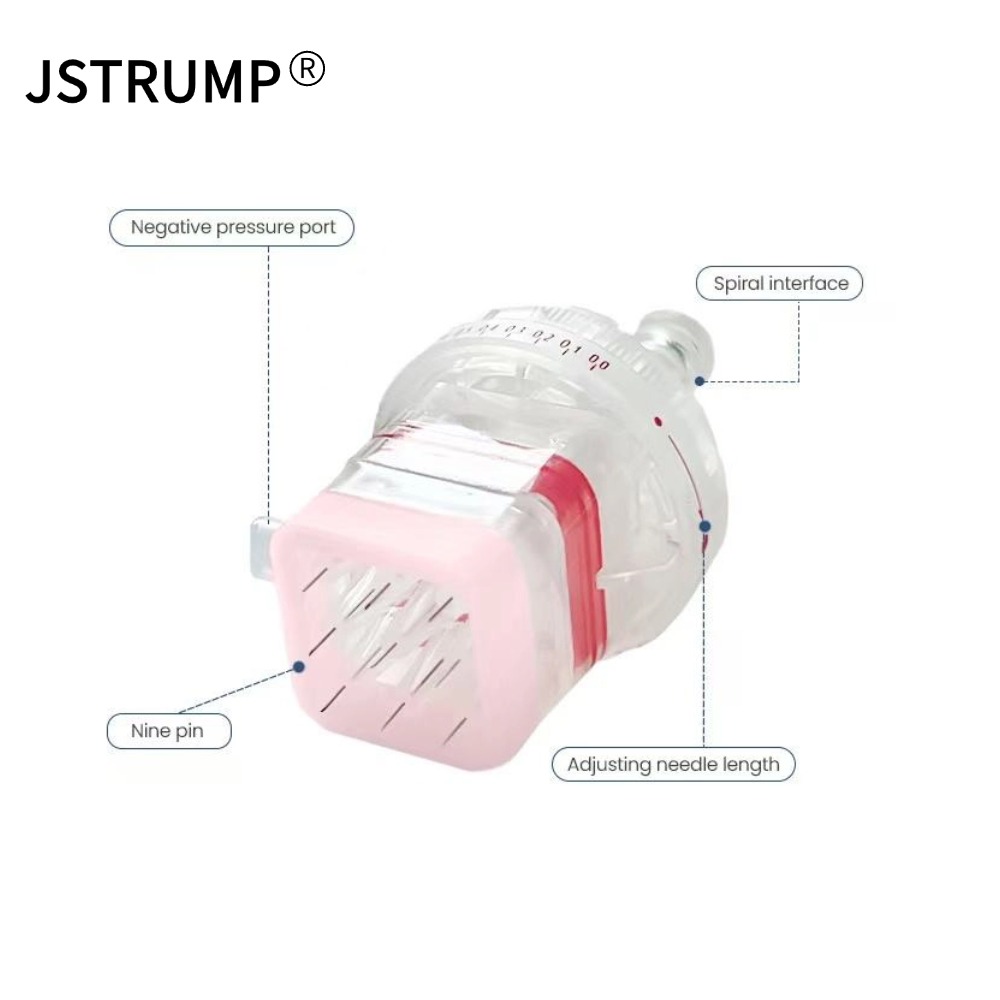
تساعد المنتجات التشخيصية متخصصي الرعاية الصحية في أنشطة الاختبار والمراقبة.
تشمل الأمثلة ما يلي:
أجهزة جمع العينات
ملحقات المختبر
لوازم الاختبارات التشخيصية
فوائد المستلزمات الطبية عالية الجودة التي تستخدم لمرة واحدة
يتمتع مقدمو الرعاية الصحية بفوائد عديدة من اعتماد منتجات عالية الجودة.
تساعد المنتجات عالية الجودة على تقليل:
المضاعفات السريرية
المخاطر المتعلقة بالمنتج
انتقال العدوى
تظل تحسينات سلامة المرضى المحرك الرئيسي لاعتمادها.
تدعم المنتجات التي تستخدم لمرة واحدة الوقاية من العدوى عن طريق تقليل فرص التلوث.
تشمل الفوائد ما يلي:
بيئات الرعاية الصحية النظيفة
تحسين ممارسات النظافة
انخفاض انتقال مسببات الأمراض
تساعد المنتجات الموثوقة متخصصي الرعاية الصحية على العمل بكفاءة أكبر.
المزايا تشمل:
تقليل التأخير الإجرائي
تسليم العلاج بشكل أسرع
تحسين إنتاجية الموظفين
يساعد الاتساق مقدمي الرعاية الصحية على تحقيق نتائج يمكن التنبؤ بها.
تساهم المنتجات الموثوقة في:
جودة علاجية أفضل
تحسين تجارب المرضى
تقليل الاضطرابات التشغيلية
ميزات المنتج والخصائص التقنية
تشتمل المستلزمات الطبية عالية الجودة التي تستخدم لمرة واحدة عادةً على ميزات تصميم متقدمة.
التعبئة والتغليف العقيمة
مواد طبية
التصنيع الدقيق
تصميم مريح
أداء موثوق
تدعم هذه الميزات تقديم رعاية صحية آمنة وفعالة.
| ميزة | فائدة |
|---|---|
| العقم | الوقاية من العدوى |
| تصميم للاستخدام الفردي | انخفاض التلوث |
| التصنيع الدقيق | تناسق |
| المواد الطبية | سلامة المرضى |
| تصميم مريح | سهولة الاستخدام |
المواصفات العامة للمنتجات الطبية التي تستخدم لمرة واحدة
تختلف المواصفات حسب فئة المنتج.
| مواصفة | وصف |
|---|---|
| نوع المنتج | منتج طبي يمكن التخلص منه |
| الاستخدام المقصود | استخدام واحد |
| مادة | الصف الطبي |
| العقم | معقمة أو غير معقمة |
| التعبئة والتغليف | فردية أو بالجملة |
| مدة الصلاحية | تحديد الشركة المصنعة |
| شروط التخزين | بيئة خاضعة للرقابة |
| امتثال | المعايير المعمول بها |
تساعد هذه المواصفات مقدمي الرعاية الصحية على تقييم مدى ملاءمة المنتج.
الوقاية من العدوى وسلامة المرضى
تظل الوقاية من العدوى إحدى أهم فوائد المستلزمات الطبية التي تستخدم لمرة واحدة.
تساعد المنتجات التي يمكن التخلص منها على:
تقليل التلوث المتبادل
الحفاظ على إجراءات معقمة
دعم بروتوكولات النظافة
حماية العاملين في مجال الرعاية الصحية
تستمر الوقاية من العدوى المرتبطة بالرعاية الصحية في دفع اعتماد المنتجات.
| فائدة | تأثير |
|---|---|
| تصميم للاستخدام الفردي | انخفاض التلوث |
| التعبئة والتغليف المعقمة | سلامة المنتج |
| ميزات السلامة | حماية العمال |
| جودة متسقة | تحسين سلامة المرضى |
إدارة الجودة والامتثال التنظيمي
يتم تصنيع المستلزمات الطبية التي تستخدم لمرة واحدة وفقًا لأنظمة الجودة الصارمة.
تركز إدارة الجودة على:
اتساق المنتج
الحد من المخاطر
الامتثال التنظيمي
التحسين المستمر
يقوم المصنعون عادة بتنفيذ:
فحص المواد
التحقق من صحة العملية
الاختبار الوظيفي
التحقق من التغليف
ضمان العقم
تساعد هذه الأنشطة على ضمان موثوقية المنتج.
غالبًا ما يقوم مقدمو الرعاية الصحية بتقييم المنتجات بناءً على:
وثائق الجودة
ضوابط التصنيع
اختبار المنتج
أنظمة التتبع
تساعد برامج الجودة القوية في دعم قرارات الشراء.
التطبيقات عبر إعدادات الرعاية الصحية
تُستخدم المستلزمات الطبية التي تستخدم لمرة واحدة في كل بيئة رعاية صحية تقريبًا.
تستخدم المستشفيات منتجات يمكن التخلص منها من أجل:
رعاية الطوارئ
جراحة
العناية المركزة
العلاج العام
تعتمد العيادات على المنتجات التي يمكن التخلص منها من أجل:
الامتحانات
الحقن
الإجراءات التشخيصية
تستخدم المختبرات منتجات يمكن التخلص منها من أجل:
جمع العينات
التعامل مع العينات
إجراءات الاختبار
يؤدي تزايد خدمات الرعاية الصحية المنزلية إلى زيادة الطلب على:
المشارط
المحاقن
مراقبة المواد الاستهلاكية
موثوقية سلسلة التوريد وإدارة المخزون
تعتبر سلاسل التوريد الموثوقة أمرًا بالغ الأهمية لمقدمي الرعاية الصحية.
تشمل فوائد العرض الموثوق ما يلي:
انخفاض النقص
تحسين التخطيط
استمرارية أفضل لرعاية المرضى
تقوم مؤسسات الرعاية الصحية بشكل متزايد بتقييم الموردين على أساس موثوقية العرض.
| ميزة | فائدة |
|---|---|
| إمدادات مستقرة | الرعاية المستمرة |
| رؤية المخزون | تخطيط أفضل |
| تقليل المهلة الزمنية | تسليم أسرع |
| توفر المنتج | تحسين العمليات |
الابتكارات المادية في المستلزمات الطبية التي يمكن التخلص منها
يستمر علم المواد في تحسين أداء المنتج.
المواد الحديثة تقدم:
مرونة أفضل
زيادة المتانة
تعزيز التوافق الحيوي
تحسين كفاءة التصنيع
يساهم ابتكار المواد في تحسين السلامة وسهولة الاستخدام.
تقنيات التصنيع والأتمتة
تدعم تقنيات التصنيع المتقدمة منتجات ذات جودة أعلى.
تشمل التقنيات الشائعة ما يلي:
التجميع الآلي
صب الدقة
أنظمة المراقبة الرقمية
تحليلات العملية
| تكنولوجيا | فائدة |
|---|---|
| الأتمتة | تناسق |
| صب الدقة | دقة |
| المراقبة الرقمية | التحكم في العملية |
| أنظمة التتبع | دعم الامتثال |
اتجاهات الاستدامة في المنتجات الطبية التي تستخدم لمرة واحدة
أصبحت الاستدامة البيئية ذات أهمية متزايدة.
يستكشف المصنعون:
مبادرات الحد من النفايات
التغليف المستدام
تحسين الموارد
إنتاج موفر للطاقة
تأخذ مؤسسات الرعاية الصحية بشكل متزايد في الاعتبار التأثير البيئي عند تقييم المنتجات.
التحديات والفرص في الصناعة
تشمل تحديات الصناعة الشائعة ما يلي:
التعقيد التنظيمي
ضغوط التكلفة
اضطرابات سلسلة التوريد
توافر المواد
تشمل فرص النمو ما يلي:
التوسع في الرعاية الصحية
الأسواق الناشئة
ابتكار المنتجات
التصنيع المتقدم
تستمر الصناعة في التطور لتلبية احتياجات الرعاية الصحية المتغيرة.
النظرة المستقبلية للمستلزمات الطبية التي تستخدم لمرة واحدة
قد تشمل التطورات المستقبلية ما يلي:
تقنيات السلامة المحسنة
تكامل المنتج الذكي
مواد محسنة
حلول التصنيع المستدامة
ومن المتوقع أن يظل الطلب قوياً مع استمرار توسع أنظمة الرعاية الصحية في جميع أنحاء العالم.
الأسئلة المتداولة
اللوازم الطبية التي تستخدم لمرة واحدة هي منتجات رعاية صحية تستخدم لمرة واحدة ومصممة لتطبيقات التشخيص والعلاج والمراقبة والوقاية من العدوى.
تساعد المنتجات التي تستخدم لمرة واحدة على تقليل مخاطر التلوث وتحسين الكفاءة ودعم برامج مكافحة العدوى.
تشمل الأمثلة أجهزة الوصول الوريدي، والمحاقن، ومنتجات جمع الدم، ومنتجات التسريب، والمواد الاستهلاكية التشخيصية.
إنها تقلل من التلوث المتبادل، وتدعم إجراءات التعقيم، وتوفر أداءً ثابتًا.
تعمل المنتجات عالية الجودة على تحسين الموثوقية والسلامة والنتائج السريرية.
خاتمة
يواصل مقدمو الرعاية الصحية زيادة اعتماد الإمدادات الطبية عالية الجودة التي يمكن التخلص منها لأن هذه المنتجات تلعب دورًا حيويًا في سلامة المرضى والوقاية من العدوى والكفاءة السريرية وجودة الرعاية الصحية. بدءًا من أجهزة الوصول الوريدي ومنتجات جمع الدم إلى المحاقن ومنتجات التسريب والمواد الاستهلاكية التشخيصية، تدعم المنتجات الطبية التي تستخدم لمرة واحدة كل جانب من جوانب تقديم الرعاية الصحية تقريبًا.
يستمر التقدم في تكنولوجيا التصنيع وأنظمة إدارة الجودة وعلوم المواد وهندسة السلامة في تحسين أداء المنتج وموثوقيته. مع توسع أنظمة الرعاية الصحية وارتفاع توقعات المرضى، ستظل الإمدادات الطبية عالية الجودة التي تستخدم لمرة واحدة مكونات أساسية للبنية التحتية الحديثة للرعاية الصحية، مما يدعم رعاية المرضى بشكل أكثر أمانًا وكفاءة وفعالية في جميع أنحاء العالم.
يستخدم هذا الموقع ملفات تعريف الارتباط لضمان حصولك على أفضل تجربة على موقعنا.






 هاتف
هاتف
تعليق
(0)