
جدول المحتويات
مقدمة
ما هي أجهزة الوصول الوريدي؟
أهمية أجهزة الوصول الوريدي في الرعاية الصحية الحديثة
تطور تكنولوجيا الوصول إلى الوريد
الأنواع الرئيسية لأجهزة الوصول الوريدي
التقدم في أجهزة الوصول الرابع
كيف تعمل أجهزة الوصول الوريدي الحديثة على تحسين سلامة المرضى
فوائد الكفاءة السريرية
المواصفات الفنية وميزات المنتج
آليات السلامة والوقاية من العدوى
المواد وتقنيات التصنيع
التطبيقات عبر إعدادات الرعاية الصحية
اتجاهات الصناعة والتطورات المستقبلية
الأسئلة المتداولة
خاتمة
مقدمة
تعد أجهزة الوصول إلى الوريد من بين المستهلكات الطبية الأكثر أهمية المستخدمة في أنظمة الرعاية الصحية الحديثة. توفر هذه الأجهزة لمتخصصي الرعاية الصحية إمكانية الوصول المباشر إلى نظام الأوعية الدموية للمريض، مما يتيح إدارة الأدوية والسوائل ومنتجات الدم والمواد المغذية وعلاجات الطوارئ.
نظرًا لأن بيئات الرعاية الصحية أصبحت معقدة بشكل متزايد واستمرار معايير سلامة المرضى في التطور، فقد أحدثت التطورات الكبيرة في أجهزة الوصول الوريدي تحولًا في كيفية تنفيذ إجراءات الوصول إلى الأوعية الدموية. تركز الابتكارات الحديثة على تحسين النتائج السريرية، وتقليل المضاعفات، وتعزيز سلامة المستخدم، وزيادة الكفاءة الإجرائية، وتحسين راحة المريض.
يعتمد مقدمو الرعاية الصحية على أجهزة الوصول الوريدي في المستشفيات وأقسام الطوارئ ووحدات العناية المركزة وغرف العمليات والعيادات الخارجية ومراكز الرعاية المتنقلة وإعدادات الرعاية الصحية المنزلية. وقد ساعد التقدم في تصميم الأجهزة، وهندسة السلامة، وتكنولوجيا القسطرة، وعلوم المواد، ودقة التصنيع على تحسين سلامة المرضى وكفاءة سير عمل الرعاية الصحية.
يستكشف هذا الدليل الشامل كيف تدعم التطورات في أجهزة الوصول الوريدي رعاية أكثر أمانًا للمرضى، وأداء سريري أفضل، وتحسين كفاءة الرعاية الصحية، ونتائج العلاج المحسنة.
ما هي أجهزة الوصول الوريدي؟
أجهزة الوصول الوريدي هي أجهزة طبية تستخدم لإنشاء وصول للأوعية الدموية من خلال الأوردة الطرفية أو المركزية.
أنها تسمح لمتخصصي الرعاية الصحية بما يلي:
إدارة الأدوية
تسليم السوائل عن طريق الوريد
تقديم الدعم الغذائي
نقل منتجات الدم
جمع عينات الدم
تنفيذ الإجراءات التشخيصية
دعم التدخلات الطارئة
تلعب هذه الأجهزة دورًا حاسمًا في كل بيئة رعاية صحية تقريبًا.
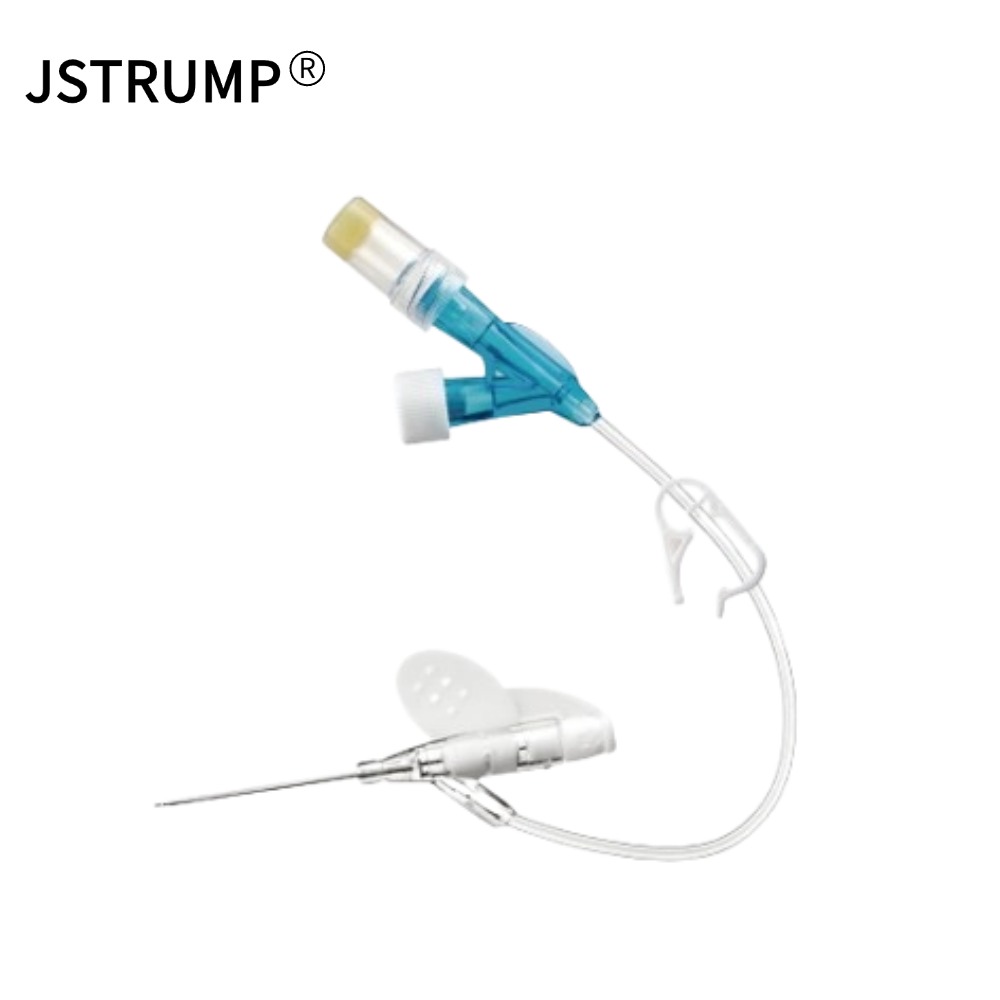
تعريف أجهزة الوصول الوريدي
جهاز الوصول الوريدي هو منتج طبي معقم مصمم لتوفير وصول مؤقت أو ممتد إلى نظام الأوعية الدموية للمريض لأغراض علاجية أو تشخيصية.
الهدف الأساسي هو ضمان الوصول الآمن والموثوق والفعال للأوعية الدموية مع تقليل المضاعفات وعدم راحة المريض.
لماذا تعد أجهزة الوصول الوريدي مهمة؟
يعد الوصول الموثوق إلى الأوعية الدموية أمرًا ضروريًا لأن العديد من العلاجات الطبية تعتمد على الإدارة المباشرة لمجرى الدم.
بدون الوصول إلى الوريد، قد يواجه أخصائيو الرعاية الصحية تأخيرات في تقديم العلاج، خاصة أثناء حالات الطوارئ.
| وظيفة | الغرض السريري |
|---|---|
| توصيل الأدوية | إدارة العلاج السريع |
| العلاج بالسوائل | الترطيب واستبدال الحجم |
| نقل الدم | استبدال منتجات الدم |
| الدعم الغذائي | التغذية الوريدية |
| جمع الدم | الاختبارات التشخيصية |
| رعاية الطوارئ | التدخل الفوري |
تدعم أجهزة الوصول IV تقريبًا كل جانب من جوانب تقديم الرعاية الصحية الحديثة.
تطور تكنولوجيا الوصول إلى الوريد
شهد مجال الوصول إلى الأوعية الدموية تطورًا كبيرًا خلال العقود الأخيرة.
ركزت أجهزة IV السابقة بشكل أساسي على:
الوظيفة الأساسية
تقنيات الإدراج البسيطة
مواد القسطرة القياسية
تشتمل الأجهزة الحديثة الآن على:
أنظمة أمان متكاملة
تحسين مواد القسطرة
تعزيز آليات الاستقرار
تقنيات التحكم في الدم
تصاميم مريحة
ميزات رؤية أفضل
تساعد هذه الابتكارات على تحسين سلامة المرضى وحماية العاملين في مجال الرعاية الصحية.
التطور التاريخي لأجهزة الوصول الوريدي
صفات:
هياكل القسطرة الأساسية
الحد الأدنى من ميزات السلامة
تصميم مريح محدود
التحديات:
ارتفاع مخاطر الإصابة
زيادة التعرض للتلوث
انخفاض الكفاءة الإجرائية
صفات:
هندسة السلامة المتقدمة
تعزيز راحة المريض
تحسين دقة الإدراج
أنظمة أفضل للتحكم في الدم
فوائد:
إجراءات أكثر أمانا
تحسين سير العمل
نتائج علاجية أفضل
الأنواع الرئيسية لأجهزة الوصول الوريدي
يتم استخدام عدة فئات من أجهزة الوصول الوريدي بشكل شائع.
تعد القنيات الوريدية المحيطية من بين منتجات الوصول إلى الأوعية الدموية الأكثر استخدامًا.
تشمل الميزات:
الاستخدام على المدى القصير
سهولة الإدراج
قابلية تطبيق سريرية واسعة
التطبيقات:
إدارة الدواء
العلاج بالسوائل
العلاج في حالات الطوارئ
تشتمل قنية Safety IV على آليات وقائية مصممة لتقليل إصابات الوخز بالإبر.
تشمل الفوائد ما يلي:
تحسين سلامة العاملين في مجال الرعاية الصحية
تقليل مخاطر التعرض
تعزيز الامتثال التنظيمي
تُستخدم مجموعات التسريب المجنحة بشكل شائع في:
جمع الدم
إجراءات قصيرة
الوصول الوريدي الدقيق
المزايا:
تحسين التحكم
تموضع أفضل
زيادة راحة المريض
توفر مجموعات الامتداد:
مرونة إضافية
إدارة الدواء أسهل
تحسين حركة المريض
التقدم في أجهزة الوصول الرابع
أدت التطورات الأخيرة إلى تحسين أداء الجهاز بشكل ملحوظ.
تظل السلامة واحدة من أهم مجالات التقدم.
تشمل الأمثلة ما يلي:
التدريع التلقائي للإبرة
أنظمة سحب الإبرة
آليات التحكم في الدم
أنظمة الوصول المغلقة
| الأجهزة التقليدية | الأجهزة المتقدمة |
|---|---|
| الإبر المكشوفة | الحماية المتكاملة |
| التخلص اليدوي | أنظمة السلامة الأوتوماتيكية |
| ارتفاع مخاطر التعرض | تقليل مخاطر التعرض |
| ضوابط محدودة | ميزات السلامة المحسنة |
تساعد هذه الابتكارات في تقليل الإصابات المهنية وتحسين السلامة السريرية.
تقنيات التحكم في الدم
يظل التعرض للدم مصدر قلق أثناء إجراءات الوصول إلى الأوعية الدموية.
تساعد التقنيات الحديثة للتحكم في الدم على:
تقليل تسرب الدم
تحسين النظافة
التقليل من مخاطر التلوث
تحسين الكفاءة الإجرائية
تشمل المزايا حماية معززة للعاملين في مجال الرعاية الصحية وبيئات سريرية أكثر نظافة.
تحسين مواد القسطرة
أدى ابتكار المواد إلى تحسين أداء القسطرة بشكل كبير.
تقدم مواد القسطرة الحديثة:
زيادة المرونة
متانة أفضل
تحسين التوافق الحيوي
راحة أكبر للمريض
| ملكية | الفائدة السريرية |
|---|---|
| المرونة | انخفاض صدمة الأوعية الدموية |
| متانة | موثوقية أطول |
| التوافق الحيوي | تعزيز سلامة المرضى |
| سطح أملس | إدخال أسهل |
تساهم هذه التحسينات في تحسين تجارب العلاج.
تصميم مريح محسّن
تؤكد أجهزة الوصول الوريدي الحديثة بشكل متزايد على التصميم الذي يركز على المستخدم.
المزايا تشمل:
التعامل مع أسهل
تحسين التحكم في الإدراج
تقليل الأخطاء الإجرائية
ثقة أكبر بالطبيب
يستفيد متخصصو الرعاية الصحية من المنتجات المصممة للاستخدام الفعال في ظل الظروف الصعبة.
كيف تعمل أجهزة الوصول الوريدي الحديثة على تحسين سلامة المرضى
تظل سلامة المرضى الهدف الأساسي لابتكار الرعاية الصحية.
تساهم أجهزة الوصول الوريدي الحديثة من خلال عدة آليات.
تساعد أنظمة السلامة المتكاملة على تقليل الإصابات العرضية بين العاملين في مجال الرعاية الصحية.
تشمل الفوائد ما يلي:
سلامة مهنية أفضل
انخفاض حوادث التعرض
تعزيز الامتثال لإرشادات السلامة
يساعد التثبيت الآمن على منع:
حركة القسطرة
النزوح العرضي
انقطاع العلاج
يدعم الوضع المستقر تقديم العلاج بشكل متسق.
تساعد تصميمات الأجهزة المتقدمة على تقليل فرص الإصابة بالعدوى من خلال:
تحسين الحواجز المعقمة
الأنظمة المغلقة
ضوابط التصنيع المحسنة
| ميزة | ميزة |
|---|---|
| التعبئة والتغليف المعقمة | حماية المنتج |
| تصميم للاستخدام الفردي | انخفاض التلوث |
| أنظمة التحكم بالدم | إجراءات أنظف |
| ميزات السلامة | انخفاض مخاطر التعرض |
تعزيز راحة المريض
تركز تحسينات التصميم التي تركز على المريض على تقليل الانزعاج.
تقدم الأجهزة الحديثة:
ملفات تعريف الإدراج أصغر
مواد القسطرة المرنة
تحسين الاستقرار
تشمل الفوائد ما يلي:
انخفاض الألم
قدر أكبر من الحركة
تحسين تجارب العلاج
فوائد الكفاءة السريرية
تعطي منظمات الرعاية الصحية الأولوية بشكل متزايد للكفاءة.
تساعد أجهزة الوصول الوريدي الحديثة على تحسين سير العمل بعدة طرق.
تحسين دعم أنظمة الإدراج:
إجراءات أسرع
تقليل تأخير العلاج
استجابة أفضل لحالات الطوارئ
تصميمات سهلة الاستخدام تقلل من التعقيد.
تشمل الفوائد ما يلي:
تدريب أسرع
تقليل الأخطاء
تحسين الاتساق
تساهم الأجهزة المتطورة في:
تقديم العلاج بكفاءة
تقليل أوقات الإجراءات
تحسين استخدام الموارد
| منطقة التحسين | فائدة |
|---|---|
| التعامل مع الجهاز | إجراءات أسرع |
| دقة الإدراج | تقليل المضاعفات |
| ميزات السلامة | تحسين سير العمل |
| أنظمة الاستقرار | صيانة أقل |
المواصفات الفنية لأجهزة الوصول الوريدي
تختلف المواصفات العامة حسب نوع المنتج.
| مواصفة | الخصائص النموذجية |
|---|---|
| نوع المنتج | جهاز الوصول الرابع |
| الاستخدام | استخدام واحد |
| العقم | معقمة |
| مادة | البوليمر الطبي |
| مادة الإبرة | الفولاذ المقاوم للصدأ |
| التعبئة والتغليف | حزمة معقمة فردية |
| مدة الصلاحية | تحديد الشركة المصنعة |
| امتثال | معايير الرعاية الصحية |
أحجام قياس القنية الشائعة
القنية الوريدية متوفرة بأحجام قياس متعددة.
| حجم المقياس | تطبيق نموذجي |
|---|---|
| 14 جرام | صدمة كبيرة |
| 16 جرام | الإدارة السريعة للسوائل |
| 18 جرام | نقل الدم |
| 20 جرام | العلاج الرابع العام |
| 22 جرام | المرضى المسنين |
| 24 جرام | مرضى الأطفال |
إن اختيار المقياس المناسب يدعم نتائج العلاج المثالية.
آليات السلامة والوقاية من العدوى
تشتمل أجهزة الوصول الوريدي الحديثة على أنظمة أمان متعددة.
تشمل الأمثلة الشائعة ما يلي:
التدريع الإبرة
آليات قابلة للسحب
صمامات التحكم في الدم
قبعات واقية
محاور آمنة
تدعم هذه الميزات بيئات رعاية صحية أكثر أمانًا.
الخاتمة (الجزء الأول)
أدى التقدم في أجهزة الوصول الوريدي إلى تحسين سلامة المرضى بشكل كبير، وحماية العاملين في مجال الرعاية الصحية، والكفاءة السريرية، وموثوقية العلاج. ومن خلال الابتكارات في هندسة السلامة، وتكنولوجيا التحكم في الدم، ومواد القسطرة، والتصميم المريح، ودقة التصنيع، تستمر حلول الوصول إلى الأوعية الدموية الحديثة في دعم نتائج أفضل للرعاية الصحية في جميع أنحاء العالم.
(تابع مع الجزء الثاني لتقنيات التصنيع، والمعايير التنظيمية، والاستدامة، واتجاهات السوق، والابتكارات المستقبلية، والجداول الفنية الموسعة، واعتبارات المشتريات، والأسئلة الشائعة، والاستنتاج النهائي.)
يستخدم هذا الموقع ملفات تعريف الارتباط لضمان حصولك على أفضل تجربة على موقعنا.






 هاتف
هاتف
تعليق
(0)