


القسطرة البلاستيكية الطبية
Medical PVC catheters are widely used disposable medical devices designed to assist in the delivery or removal of fluids, gases, or other substances within the body. They are commonly made from polyvinyl chloride, a flexible and durable material that can be processed to achieve the softness and transparency needed for clinical use. Because of their balance of cost, performance, and versatility, PVC catheters are used in many healthcare settings, including hospitals, clinics, emergency care, and long-term patient management.One of the main advantages of medical PVC catheters is their adaptability. They can be manufactured in different sizes, shapes, and levels of firmness to suit a wide range of procedures. Depending on the intended application, they may be used for urinary drainage, intravenous access, suction, oxygen delivery, or gastrointestinal support. The material can be formulated to provide a smooth surface that helps reduce friction during insertion and use, which is important for patient comfort and clinical efficiency.PVC catheters are valued for their clarity, which allows healthcare professionals to monitor fluid flow, detect blockages, and observe changes in the transported material. Their lightweight structure makes them easy to handle, while their flexibility helps them conform to the body’s anatomy. In many cases, they are designed for single use, reducing the risk of cross-contamination and supporting infection control practices. Disposable use also eliminates the need for complex cleaning and sterilization processes.In addition to standard catheter designs, medical PVC catheters may include features such as radiopaque strips for imaging, reinforced walls for added strength, or special coatings to improve lubricity. These enhancements can improve performance in specific clinical situations. Some catheters are also produced to be latex-free, making them suitable for patients with latex sensitivity or allergy concerns.Quality and safety are important factors in the production of PVC catheters. They must meet strict medical standards to ensure biocompatibility, dimensional accuracy, and reliable performance. Manufacturers typically conduct testing for tensile strength, flexibility, surface smoothness, and resistance to kinking. Sterility is also a critical requirement for products intended to enter sterile environments or contact internal tissues.Although PVC remains a popular material, healthcare providers also consider patient-specific factors when selecting a catheter. The duration of use, sensitivity of the application, and risk of irritation all influence product choice. In some cases, alternative materials may be preferred; however, PVC continues to be widely used because it offers dependable performance and practical benefits.Overall, medical PVC catheters play an essential role in modern healthcare. Their versatility, affordability, and functional design make them suitable for a broad range of medical procedures, helping clinicians deliver effective treatment while supporting patient safety and comfort.
نتاج
تصنيف:
-
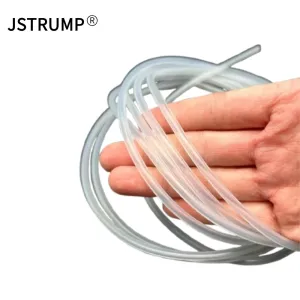
القسطرة البلاستيكية الأساسية للأغراض العامة
تصنيفها: القسطرة الطبيةالمشاهدات: 320عدد:وقت الإصدار: 2026-06-12 14:44:21تم تصميم القسطرة البلاستيكية للأغراض العامة الأساسية لتحقيق أداء موثوق به في مجموعة واسعة من التطبيقات الطبية والتمريضية. تم تصنيع هذه القسطرة من مادة PVC الطبية عالية الجودة، وتوفر المرونة والمتانة وسهولة الاستخدام لمتخصصي الرعاية الصحية. يساعد سطحها الأملس على دعم الإدخال المريح والإدارة الفعالة للسوائل أثناء الإجراءات الروتينية. مناسبة للمستشفيات والعيادات ومرافق التمريض وبيئات الرعاية الصحية المنزلية، وهي متوفرة بأحجام مختلفة لتلبية متطلبات المرضى المختلفة. توفر القسطرة البلاستيكية ذات الأغراض العامة الأساسية حلاً عمليًا وفعالاً من حيث التكلفة للاستخدام السريري اليومي، مما يوفر أداءً موثوقًا به وأمانًا وراحة في رعاية المرضى.
أخبار
تصنيف:
-
[Blog]Precision Mold Workshop Put Into Use to Customize Special-Si...
2026-08-20 03:22:50
حالة
تصنيف:
لا توجد نتائج بحث!
فيديو
تصنيف:
لا توجد نتائج بحث!
تحميل
تصنيف:
لا توجد نتائج بحث!
تجنيد
تصنيف:
لا توجد نتائج بحث!
المنتجات الموصى بها
لا توجد نتائج بحث!



 هاتف
هاتف