


القسطرة الطبية التمريضية
Medical nursing catheters are essential devices used in modern healthcare to support patient care, monitor bodily functions, and assist with the drainage or delivery of fluids. They are widely used in hospitals, clinics, long-term care facilities, and home nursing settings. These devices are designed to be inserted into the body for a specific medical purpose, such as draining urine, administering medication, delivering nutrition, or maintaining access to blood vessels. Because they directly interact with the body, nursing catheters must be used carefully to reduce the risk of infection, discomfort, or injury.One of the most common types is the urinary catheter. It is used to drain urine from the bladder when a patient cannot urinate normally. This may be necessary after surgery, during severe illness, in cases of urinary retention, or for patients with mobility limitations. Urinary catheters may be temporary or long-term. Common forms include Foley catheters, intermittent catheters, and external catheters. Nurses play an important role in inserting, securing, cleaning, and monitoring these catheters to ensure safe use and to prevent urinary tract infections.Another important category is the vascular catheter. These catheters are inserted into veins or arteries to provide access for medication, fluids, blood sampling, or blood pressure monitoring. Peripheral venous catheters are often used for short-term treatment, while central venous catheters are used when long-term or high-volume access is required. Nursing staff must inspect catheter sites regularly for redness, swelling, leakage, or signs of infection. Proper dressing changes and sterile technique are critical to patient safety.Feeding catheters are also important in nursing care. These are used to deliver liquid nutrition and medication directly into the stomach or small intestine for patients who cannot eat safely by mouth. They may be placed through the nose or directly into the abdomen. Nurses must confirm correct placement, check for tolerance, and maintain hygiene to avoid complications such as aspiration or blockage.Catheter care requires strong attention to hygiene, patient comfort, and documentation. Nurses are responsible for monitoring output, ensuring the catheter remains properly positioned, and teaching patients or caregivers how to care for the device. They also watch for common complications such as infection, irritation, leakage, obstruction, and accidental removal. Using sterile or clean techniques, depending on the type of catheter, helps protect patients from avoidable harm.In summary, medical nursing catheters are vital tools that support treatment, improve patient comfort, and help healthcare professionals provide effective care. Their safe use depends on proper selection, skilled nursing practice, and careful monitoring.
نتاج
تصنيف:
-
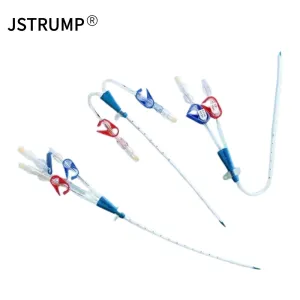
القسطرة التمريضية المتخصصة
تصنيفها: القسطرة الطبيةالمشاهدات: 239عدد:وقت الإصدار: 2026-06-12 14:22:29تم تصميم قسطرات التمريض المتخصصة لدعم مجموعة واسعة من إجراءات الرعاية السريرية ورعاية المرضى بأمان وراحة وموثوقية. تم تصنيع هذه القسطرة من مواد طبية عالية الجودة، وتوفر إدخالاً سلسًا وإدارة فعالة للسوائل وأداء يمكن الاعتماد عليه في إعدادات الرعاية الصحية. وهي مناسبة للمستشفيات والعيادات ومرافق الرعاية الطويلة الأجل وتطبيقات الرعاية الصحية المنزلية. تم تصميمها لتلبية متطلبات التمريض المهنية، فهي تساعد على تحسين راحة المرضى ودعم تقديم الرعاية بكفاءة. تتوفر قسطرات التمريض المتخصصة بأحجام وتكوينات مختلفة لتلبية الاحتياجات السريرية المختلفة، مما يوفر لمتخصصي الرعاية الصحية حلاً عمليًا وموثوقًا لإجراءات التمريض الروتينية والمتخصصة.
أخبار
تصنيف:
-
[Blog]Complete Buying Guide: How to Select Qualified, Stable Suppl...
2026-07-08 03:32:50 -
[Blog]Obstetric Wards Use Hypoallergenic IV Access Devices for Mat...
2026-07-29 03:16:18
حالة
تصنيف:
لا توجد نتائج بحث!
فيديو
تصنيف:
لا توجد نتائج بحث!
تحميل
تصنيف:
لا توجد نتائج بحث!
تجنيد
تصنيف:
لا توجد نتائج بحث!
المنتجات الموصى بها
لا توجد نتائج بحث!



 هاتف
هاتف