


قسطرة الرعاية السريرية
Clinical care catheters are essential medical devices used in a wide range of patient care settings to support diagnosis, treatment, and ongoing management of many conditions. They are designed to provide safe and efficient access to body cavities, blood vessels, or the urinary system, depending on their specific purpose. Because they are used in close contact with patients, these devices must be manufactured with high standards for safety, biocompatibility, flexibility, and durability.In clinical environments, catheters serve many important functions. Some are used to drain fluids such as urine or blood, while others are designed to deliver medications, nutrition, or contrast agents into the body. Certain catheters also help medical professionals monitor physiological pressures or perform minimally invasive procedures. Their versatility makes them a key part of modern healthcare, especially in hospitals, outpatient clinics, emergency care, and long-term treatment settings.A major advantage of clinical care catheters is that they allow healthcare providers to manage patients with less invasive methods than traditional surgery. This often reduces patient discomfort, shortens recovery time, and lowers the risk of complications. For example, urinary catheters can help patients who are unable to empty their bladder naturally, while vascular catheters can provide reliable access for intravenous therapy, blood sampling, or dialysis. Specialized catheters may also be used in cardiac, neurological, or respiratory care, depending on the patient’s needs.Material selection is very important in catheter design. Common materials include silicone, polyurethane, and other medical-grade polymers that offer a balance of softness, strength, and compatibility with the human body. These materials help minimize irritation and improve patient comfort during use. In addition, catheters are often designed with smooth surfaces, rounded tips, and protective coatings to reduce friction and the risk of infection.Sterility is another critical factor in clinical care catheter use. Since these devices may enter sterile body areas or remain in place for extended periods, they must be carefully packaged, handled, and inserted using strict infection-control procedures. Proper training for healthcare professionals is essential to ensure correct placement, maintenance, and removal. Regular monitoring is also necessary to detect early signs of blockage, leakage, or infection.Clinical care catheters continue to evolve as medical technology advances. New designs focus on improving patient comfort, enhancing safety, and increasing ease of use for clinicians. Features such as anti-microbial coatings, improved flexibility, and specialized access systems are helping to make catheter-based care more effective. As healthcare demands grow, these devices will remain a vital part of patient treatment, supporting better outcomes and more efficient medical care across many specialties.
نتاج
تصنيف:
-
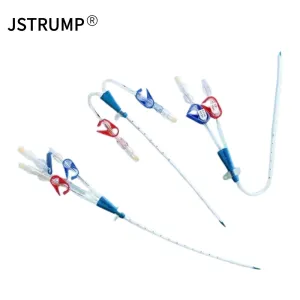
القسطرة التمريضية المتخصصة
تصنيفها: القسطرة الطبيةالمشاهدات: 240عدد:وقت الإصدار: 2026-06-12 14:22:29تم تصميم قسطرات التمريض المتخصصة لدعم مجموعة واسعة من إجراءات الرعاية السريرية ورعاية المرضى بأمان وراحة وموثوقية. تم تصنيع هذه القسطرة من مواد طبية عالية الجودة، وتوفر إدخالاً سلسًا وإدارة فعالة للسوائل وأداء يمكن الاعتماد عليه في إعدادات الرعاية الصحية. وهي مناسبة للمستشفيات والعيادات ومرافق الرعاية الطويلة الأجل وتطبيقات الرعاية الصحية المنزلية. تم تصميمها لتلبية متطلبات التمريض المهنية، فهي تساعد على تحسين راحة المرضى ودعم تقديم الرعاية بكفاءة. تتوفر قسطرات التمريض المتخصصة بأحجام وتكوينات مختلفة لتلبية الاحتياجات السريرية المختلفة، مما يوفر لمتخصصي الرعاية الصحية حلاً عمليًا وموثوقًا لإجراءات التمريض الروتينية والمتخصصة.
أخبار
تصنيف:
لا توجد نتائج بحث!
حالة
تصنيف:
لا توجد نتائج بحث!
فيديو
تصنيف:
لا توجد نتائج بحث!
تحميل
تصنيف:
لا توجد نتائج بحث!
تجنيد
تصنيف:
لا توجد نتائج بحث!
المنتجات الموصى بها
لا توجد نتائج بحث!



 هاتف
هاتف