
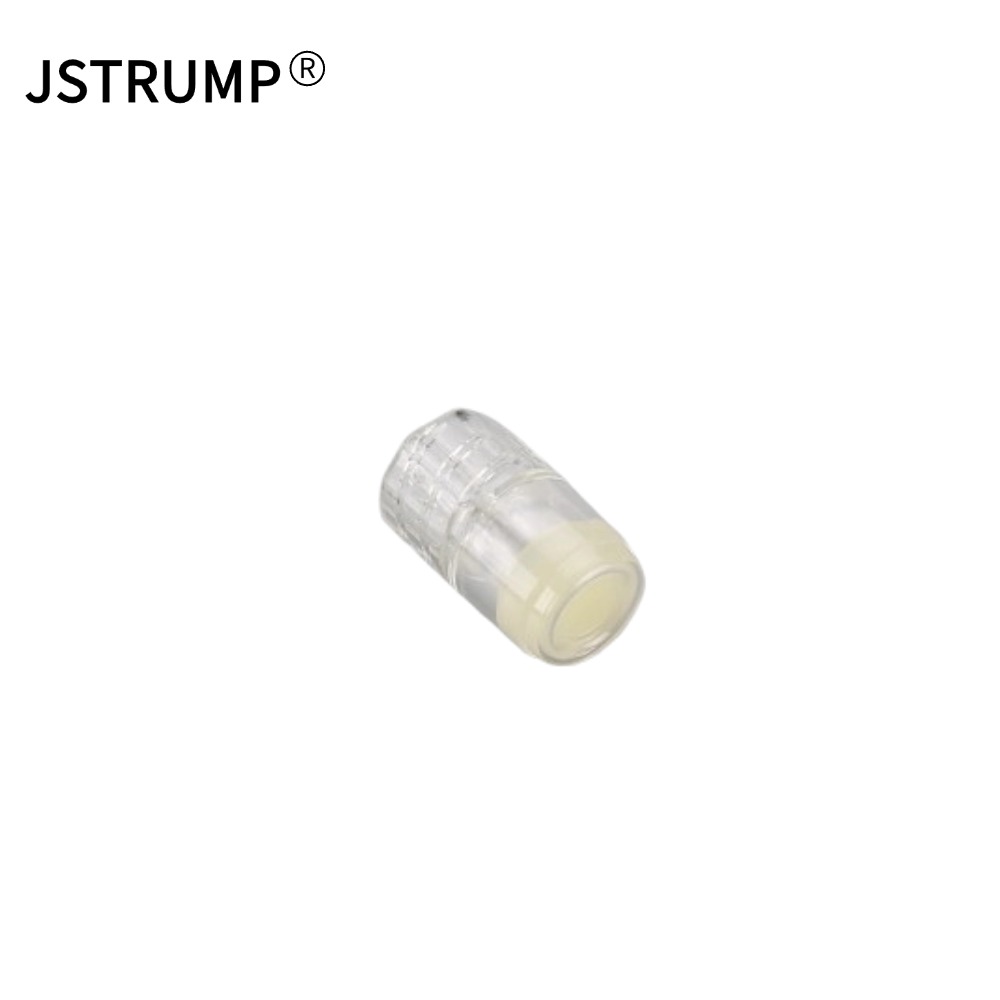
School medical rooms are expected to respond quickly to student and staff health incidents, especially when a first aid event requires immediate stabilization before professional emergency transport arrives. In this context, compact disposable IV access devices for first aid emergencies are an important part of modern school medical room stock planning. These devices support rapid vascular access in urgent situations, helping trained personnel prepare for fluid administration, medication delivery, or emergency escalation when time matters most.
This page provides an SEO-friendly, industry-focused overview of school medical rooms stock compact disposable IV access devices for first aid emergencies. It is written for blog pages, category pages, directory pages, procurement guides, and safety resource pages. The content is original, keyword-rich, and designed for search indexing. It includes definitions, common features, advantages, usage scenarios, storage guidance, specification tables, and related considerations, without recommending any specific brand or company.
Compact disposable IV access devices are single-use medical products designed to provide vascular access in a fast, efficient, and hygienic way. In emergency and first aid settings, these devices help trained responders establish intravenous access to support rapid treatment. Their compact design makes them suitable for school medical rooms, where storage space may be limited and emergency readiness is essential.
In the school environment, disposable IV access devices are typically considered part of broader emergency medical stock. They may be used in situations involving dehydration, severe allergic reactions, trauma-related shock, heat illness, fainting with complications, or other urgent conditions where immediate medical support is required. Because they are disposable, they reduce cross-contamination risk and simplify post-use handling.
School medical rooms are often the first point of care for injuries and sudden illness on campus. While many incidents are minor, some emergencies require more advanced response measures. Compact disposable IV access devices are valuable because they support preparedness without consuming excessive storage space. Schools that maintain organized emergency stock can respond more effectively while waiting for paramedics or hospital transfer.
These devices are especially important in larger schools, boarding schools, sports programs, special education environments, and schools that host frequent physical activities or outdoor events. They can also be part of emergency kits used in nurse offices, athletic training rooms, campus clinics, and temporary first aid stations.
| Benefit | Practical Value in School Medical Rooms |
|---|---|
| Compact size | Easy to store in limited cabinet space, emergency carts, or portable response kits |
| Disposable design | Supports hygienic single-use practice and reduces cleaning burden |
| Fast access readiness | Helps trained personnel act quickly during urgent first aid emergencies |
| Organized inventory control | Simple to track, replace, and rotate within emergency stock systems |
| Lower contamination risk | Single-use format supports safer clinical handling in shared environments |
| Compatible with emergency planning | Fits into school medical room preparedness, drills, and response protocols |
| Portable for events | Useful for sports events, field trips, and temporary first aid stations |
Although product designs vary, compact disposable IV access devices commonly share several practical features. These features are important for schools because medical staff need reliable, easy-to-identify supplies in emergency situations. When selecting stock, schools should focus on usability, sterile packaging, clear labeling, and compatibility with emergency procedures.
| Feature | Common Description |
|---|---|
| Single-use sterile packaging | Individually sealed to support infection control and safe handling |
| Compact footprint | Designed to occupy minimal storage space in cabinets or kits |
| Clear size labeling | Gauge or size markings help identify the correct device quickly |
| Easy-open packaging | Supports rapid access during emergency response |
| Lightweight construction | Convenient for mobile first aid kits and campus response bags |
| Sterility indication | Packaging includes batch and expiration details for stock control |
| Emergency-use suitability | Intended for professional first aid and medical use under proper training |
School medical rooms may stock different types of IV access devices depending on local regulations, nurse authority, emergency protocols, and the level of medical support available on campus. The most common related categories include peripheral IV access devices, IV cannulas, catheter-over-needle devices, and accessory emergency infusion components. The exact contents of a school medical room should always follow legal requirements and internal policy.
| Type | General Use | School Stock Relevance |
|---|---|---|
| Peripheral IV cannula | Provides peripheral vascular access for fluids or medications | Common in emergency-ready clinical stock where authorized |
| Catheter-over-needle device | Standard design for rapid IV placement | Frequently used in urgent care and emergency kits |
| Winged infusion set | May assist with short-term access or specific procedural needs | Useful in some school health or event-based response settings |
| Extension set | Helps connect infusion lines and improve handling | May be included as supporting stock |
| Securement accessories | Supports stabilization of IV access after placement | Useful for complete emergency preparedness |
Stock planning for school medical rooms must balance safety, accessibility, compliance, and storage efficiency. Compact disposable IV access devices should be selected as part of a broader emergency inventory strategy. The goal is to maintain supplies that are visible, protected, monitored, and easy to replenish when needed.
Important stock planning considerations include expiration date control, clear size sorting, sterile storage, and separation of emergency items from routine first aid materials. Schools should also ensure that only qualified personnel handle IV-related supplies, and that emergency protocols are documented and reviewed regularly.
In school emergency preparedness, compact disposable IV access devices are one component of a larger response framework. They are typically part of advanced medical stock, not basic classroom first aid supplies. Their presence indicates a more serious level of readiness, especially where campus health services or school nurses manage urgent care protocols.
These devices can support response to situations such as:
Because each school differs in size, staffing, and legal scope of practice, IV access supplies should always be selected according to applicable medical policy and local emergency guidelines.
Compact design is highly valuable in school medical rooms. Space is often limited, and stock must be organized in a way that supports fast retrieval during emergencies. Compact disposable IV access devices allow schools to keep essential items without overcrowding shelves or storage bins.
| Compact Design Advantage | How It Helps School Medical Rooms |
|---|---|
| Space efficiency | More emergency supplies can be stored in the same area |
| Portable response capability | Easy to move between nurse office, gym, and event stations |
| Better organization | Smaller packaging helps separate items by size and use |
| Faster identification | Clear, compact packaging supports quicker selection under stress |
| Reduced clutter | Keeps emergency storage neat and audit-friendly |
Disposable IV access devices are preferred in many emergency stock systems because they simplify infection control and reduce maintenance requirements. In school medical rooms, where multiple students and staff members may require care over time, single-use products help maintain a more controlled and hygienic environment.
Reusable medical tools generally require cleaning, sterilization, and tracking, which can be complex in a school setting. By contrast, disposable devices are removed from the package when needed and discarded safely after use. This supports better workflow for busy school health staff and helps reduce the chance of cross-contamination.
The following table shows common specification categories used when reviewing compact disposable IV access devices for first aid emergency stock. Exact specifications will vary by supplier and product type, but these criteria are useful for general procurement and stock planning.
| Specification Category | Typical Options or Considerations |
|---|---|
| Device type | Peripheral IV cannula, catheter-over-needle, or related emergency access device |
| Size range | Multiple gauge options for different emergency needs |
| Material | Medical-grade plastic, polymer, or related sterile components |
| Packaging | Individually sterile sealed packaging |
| Shelf life | Clearly marked expiration date and batch code |
| Storage conditions | Cool, dry, clean environment away from direct sunlight |
| Usage environment | School medical rooms, nurse offices, athletic facilities, emergency kits |
| Intended user | Trained school nurses or qualified medical personnel |
| Disposal method | Clinical waste or sharps waste according to local policy |
A well-organized school medical room improves response speed and reduces mistakes during stressful situations. Compact disposable IV access devices should be grouped logically with other emergency supplies. The most effective setups use clear labels, sectioned drawers, and simple visual systems that let authorized staff find what they need instantly.
Compact disposable IV access devices should only be used by personnel who are properly trained and authorized. In school settings, this usually means school nurses, medical staff, or emergency responders operating within legal and institutional policy. Even when devices are stocked for emergencies, availability does not imply universal use by all staff.
Compliance factors may include local healthcare regulations, school district policies, state or regional medical rules, waste disposal requirements, and emergency response documentation. Schools should review these requirements regularly to ensure that emergency stock remains appropriate and lawful.
Proper storage helps protect compact disposable IV access devices and maintain readiness. Since these are sterile single-use items, packaging integrity is critical. Damaged packaging, moisture exposure, or expired stock can reduce reliability and should trigger replacement.
| Storage Factor | Recommended Practice |
|---|---|
| Temperature | Keep within the product’s recommended range |
| Humidity | Store in a dry area to protect packaging |
| Light exposure | Avoid prolonged direct sunlight |
| Packaging condition | Discard if torn, punctured, or compromised |
| Rotation | Use first-expiry-first-out inventory rotation |
| Inspection frequency | Check stock on a routine schedule, such as monthly or quarterly |
For content optimization, this topic is commonly associated with keyword phrases such as school medical rooms stock, compact disposable IV access devices, first aid emergencies, school emergency medical supplies, disposable IV cannula for emergency use, medical room inventory, school nurse emergency stock, and compact IV access devices for schools. Using these terms naturally in headings, paragraphs, and tables can improve discoverability in search engines.
Usually no. They are generally considered advanced medical stock and are more commonly stored in school medical rooms, nurse offices, or emergency response units managed by trained personnel.
Disposable devices support hygiene, reduce contamination risk, and eliminate the need for sterilization after use. This makes them practical for institutional emergency planning.
A compact device typically has a small packaging footprint, lightweight construction, and efficient storage design so it can fit into limited cabinet space or mobile kits.
Inspection should be done regularly, often monthly or quarterly, depending on school policy, usage level, and regulatory expectations.
No. IV-related care should only be performed by trained and authorized medical personnel according to local law and school policy.
School medical rooms stock compact disposable IV access devices for first aid emergencies as part of a broader strategy for emergency preparedness, rapid response, and safe clinical handling. These devices offer practical advantages such as compact storage, sterile single-use design, fast access, and easier inventory management. They are especially relevant for schools that maintain nurse-led health services, advanced emergency plans, or mobile first aid coverage for sports and campus events.
For best results, schools should prioritize proper storage, clear labeling, compliance with local rules, and routine inventory checks. When integrated into a structured emergency medical stock system, compact disposable IV access devices help support readiness and improve response capability in urgent school health situations.
```
يستخدم هذا الموقع ملفات تعريف الارتباط لضمان حصولك على أفضل تجربة على موقعنا.



 هاتف
هاتف
تعليق
(0)