
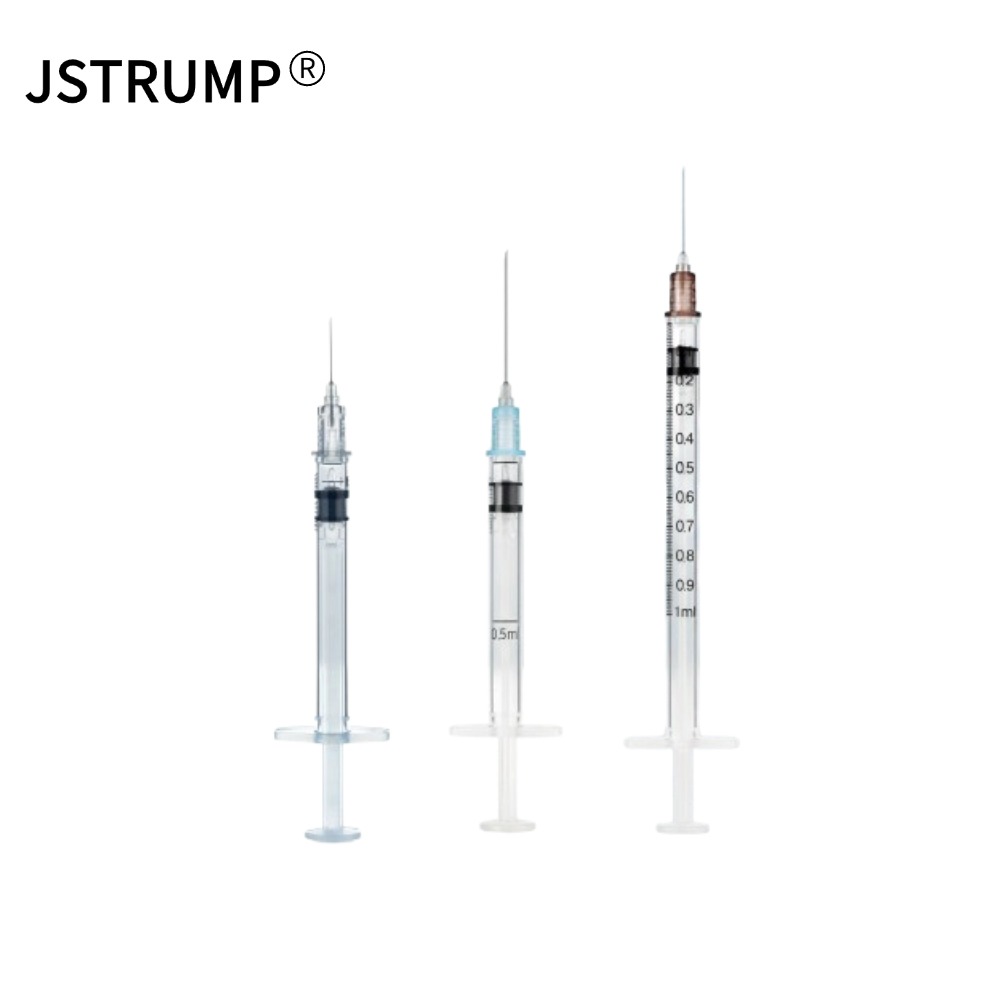
As global healthcare systems accelerate their sustainability programs, regenerated raw material medical disposable supplies are becoming a practical and strategic solution for enterprises aiming to reduce carbon emissions, improve resource efficiency, and support long-term carbon neutrality targets. In the medical supply chain, where product safety, regulatory compliance, and large-scale consumption must coexist, the move toward regenerated raw materials is no longer just an environmental trend. It is a business necessity for manufacturers, distributors, healthcare procurement teams, and private-label suppliers seeking to align with low-carbon development goals.
This industry-focused overview explains what regenerated raw material medical disposable supplies are, how they support carbon neutrality, which product categories can benefit, what specifications are commonly used, and what advantages they bring to enterprises. The content is designed for SEO-friendly publishing on blog pages, directory pages, category pages, and industry landing pages. It includes keyword-rich definitions, structured tables, and commercially useful information without recommending any specific company.
Regenerated raw material medical disposable supplies refer to single-use medical or healthcare-related products manufactured with a portion of regenerated, recycled, reclaimed, or bio-based raw materials. These materials may be processed into resins, fibers, films, paper-based components, packaging layers, or auxiliary parts that help reduce dependence on virgin fossil-based inputs. The term “regenerated” generally highlights the reuse of material value through mechanical recycling, chemical recycling, or renewable feedstock conversion, depending on the product design and compliance requirements.
In practical terms, these supplies can include disposable packaging materials, protective accessories, non-sterile support items, outer packaging solutions, and selected medical consumables where regenerated raw material use is technically feasible and legally permitted. Because medical environments demand high standards of cleanliness, performance, traceability, and safety, regenerated raw materials are often introduced gradually and strategically, especially in non-patient-contact or lower-risk applications.
Enterprises pursuing carbon neutrality targets are under growing pressure to reduce Scope 1, Scope 2, and Scope 3 emissions. In many industries, medical disposables are consumed at high volumes, which means material sourcing can significantly influence the total carbon footprint. Using regenerated raw materials can lower emissions by reducing the need for virgin extraction, primary polymer production, intensive refining, and high-energy material processing.
The sustainability impact is not limited to raw materials alone. Regenerated content can support a broader circular economy strategy by extending material life cycles, reducing waste sent to landfill or incineration, and improving procurement alignment with environmental, social, and governance (ESG) reporting. For enterprises, this creates a dual benefit: better environmental performance and stronger competitiveness in procurement markets that increasingly favor low-carbon products.
A low-carbon medical supply chain depends on smarter sourcing, lighter packaging, optimized transportation, and more responsible end-of-life management. Regenerated materials contribute to this framework in several ways:
The phrase “regenerated raw material” can cover several input categories. The exact material choice depends on the product’s function, sterility requirements, contact level, and regional regulations. Below are common material streams used in the medical disposable supply industry.
| Material Type | Common Source | Typical Use in Disposable Medical Supplies | Carbon Benefit |
|---|---|---|---|
| Recycled PP (Polypropylene) | Post-industrial or controlled recycled resin | Packaging, trays, non-critical components | Reduces reliance on virgin polymer production |
| Recycled PET (Polyethylene Terephthalate) | Bottles, films, recovered industrial waste | Outer packaging, inserts, protective layers | Supports circular plastic use and waste reduction |
| Regenerated cellulose | Plant-based fiber processing | Paper-based wraps, absorbent layers, hygiene materials | Can reduce fossil-based raw material demand |
| Bio-based polymers | Renewable feedstocks such as starch, sugarcane, or other biomass | Selected disposable packaging and accessories | May lower lifecycle emissions depending on source and processing |
| Recycled paperboard | Recovered paper fiber streams | Boxes, cartons, instruction sleeves | Improves fiber recovery and reduces virgin pulp use |
| Recovered nonwoven inputs | Controlled industrial recovery and reprocessing | Some secondary packaging or support materials | Extends material value and minimizes waste generation |
Not all medical disposable products are suitable for regenerated raw material content. However, many categories can integrate regenerated inputs in outer layers, packaging, non-contact areas, transport protection, and auxiliary structures. The following table summarizes typical application areas.
| Product Category | Regenerated Material Application | Suitability Level | Notes |
|---|---|---|---|
| Medical packaging | Cartons, pouches, liners, inserts, trays | High | Often the easiest area for regenerated content adoption |
| Disposable protective covers | Outer films, secondary wraps, handling sleeves | Medium to high | Depends on barrier performance and regulatory needs |
| Non-sterile consumables | Utility items, support accessories, transport materials | High | Suitable where patient-contact risk is low |
| Hygiene and wiping products | Fiber-based wipes, tissue components, absorbent layers | Medium | Needs careful performance and cleanliness validation |
| Disposable trays and holders | Recycled resin structural components | Medium | Common in logistics and packaging support functions |
| Instruction and labeling materials | Paperboard, inserts, sleeves, outer labeling | High | Excellent area for immediate carbon reduction benefits |
| Direct patient-contact sterile devices | Limited or highly controlled use of regenerated inputs | Low to medium | Requires strict compliance, testing, and validation |
Enterprises adopt regenerated raw material medical disposable supplies for more than environmental reasons. These products can improve procurement outcomes, supply chain resilience, and corporate reputation while supporting emission-reduction roadmaps.
One of the strongest advantages is the potential for a lower carbon footprint. By replacing part of the virgin raw material input with regenerated content, manufacturers may reduce upstream emissions associated with extraction, refining, polymerization, and transport. For businesses with formal carbon neutrality targets, this can be an important lever in decarbonization planning.
Regenerated raw materials fit naturally into circular economy models. Instead of using materials once and discarding them, enterprises can keep material flows in circulation for longer periods. This is especially valuable in the healthcare supply chain, where packaging and support materials are consumed in high volumes every day.
Procurement teams increasingly need documented sustainability evidence. Regenerated raw material medical disposable supplies can support ESG reporting by showing that material inputs, packaging design, and waste reduction strategies are aligned with environmental performance objectives.
While pricing depends on material type, volume, quality controls, and market conditions, regenerated materials may help stabilize supply risks and reduce exposure to price swings in virgin petrochemical markets. In some cases, improved material efficiency can also reduce shipping weight or packaging volume.
In a competitive healthcare supply market, environmentally responsible products can improve differentiation. Buyers increasingly look for suppliers with sustainable product lines, recyclable packaging, and measurable low-carbon commitments.
Many purchasing frameworks now include environmental criteria. Regenerated raw material content can help medical disposable supplies qualify for green procurement preferences, sustainability scorecards, and low-carbon supplier evaluation processes.
Even when sustainability is a priority, medical disposable supplies must still meet strict functional standards. Enterprises cannot sacrifice safety, quality, or compliance in the pursuit of lower emissions. The most important performance requirements include:
Because of these requirements, many enterprises begin by incorporating regenerated raw materials into packaging, transport solutions, and non-critical components before expanding into more demanding applications. This step-by-step approach helps maintain quality while improving environmental outcomes.
The exact specifications vary by product, but the table below provides a useful industry reference for common parameters found in regenerated raw material medical disposable supplies.
| Specification Item | Common Range or Standard | Purpose |
|---|---|---|
| Material composition | 5% to 100% regenerated content depending on application | Defines the level of recycled or renewable input |
| Thickness | Varies by product, often 20–500 microns for films and packaging layers | Ensures strength, flexibility, and barrier control |
| Basis weight | Commonly 40–300 gsm for paper or fiber-based products | Supports packaging and absorbency performance |
| Tensile strength | Application-specific, with minimum performance thresholds | Measures resistance to tearing and deformation |
| Moisture resistance | Standard or enhanced depending on packaging type | Protects integrity during storage and transport |
| Barrier level | Light, medium, or high barrier performance | Controls exposure to contaminants and environmental factors |
| Surface cleanliness | Controlled, low-particle, low-contamination finish | Important for healthcare handling and storage |
| Printing compatibility | Suitable for labeling, barcoding, and traceability marks | Supports inventory control and compliance |
| Sterilization compatibility | Depending on product design and use case | Required for selected medical applications |
| Color and appearance | Natural, white, clear, or custom colors | Supports branding and product identification |
For regenerated raw material medical disposable supplies, quality control is essential. Healthcare buyers must verify that raw material sourcing, production processes, and finished goods meet the relevant standards for cleanliness, safety, and consistency. Important compliance considerations often include material traceability, contamination prevention, batch documentation, and test records.
Enterprises should also consider whether the use of regenerated materials affects product classification, sterilization processes, shelf life, and packaging integrity. Because regulations differ by country and product type, manufacturers usually need a compliance strategy that includes risk assessment, validation testing, and periodic review of material performance.
Regenerated raw material medical disposable supplies are best viewed as one component of a broader carbon neutrality strategy. They are most effective when integrated into a full sustainability framework that includes renewable energy, logistics optimization, waste minimization, and responsible supplier selection.
| Carbon Neutrality Lever | How Regenerated Raw Materials Help | Business Impact |
|---|---|---|
| Material reduction | Uses recycled or renewable inputs instead of virgin materials | Lowers upstream emissions |
| Packaging optimization | Supports lighter, simpler, more efficient packaging design | Reduces transport emissions and material waste |
| Waste diversion | Helps capture value from recovered material streams | Supports circular economy goals |
| Supplier ESG alignment | Encourages low-carbon sourcing across the supply chain | Strengthens sustainability governance |
| Product lifecycle planning | Enables more responsible end-of-life thinking | Improves long-term environmental performance |
Regenerated raw material medical disposable supplies are used across multiple healthcare-related environments. Common use cases include hospitals, clinics, laboratories, diagnostic centers, medical logistics operations, home care product packaging, and private-label healthcare retail channels.
Buyers evaluating regenerated raw material medical disposable supplies should focus on several key criteria. These criteria help ensure that sustainability claims are credible and that product quality is not compromised.
Several market trends are accelerating demand for regenerated raw material medical disposable supplies. These include stricter carbon reporting rules, rising ESG expectations, supply chain risk management, waste reduction targets, and a broader shift toward sustainable procurement in healthcare.
In addition, more organizations are setting science-based emissions reduction pathways. Because disposable medical products are often purchased in large quantities, even moderate changes in material composition can create meaningful progress toward carbon neutrality goals. As a result, regenerated raw materials are increasingly viewed as a practical pathway to lower emissions without fundamentally changing the operational model of healthcare delivery.
For content optimization, the following keyword variations are commonly associated with this topic and can help improve search relevance when used naturally in page copy, headings, metadata, and internal links:
Regenerated raw material medical disposable supplies represent a meaningful opportunity for enterprises to advance sustainability without abandoning the performance expectations of healthcare procurement. By reducing dependence on virgin materials, supporting circular economy models, and enabling lower-carbon product design, these supplies can help organizations move closer to carbon neutrality targets.
For manufacturers, distributors, and healthcare buyers, the key is to apply regenerated materials where they make the most technical and regulatory sense—especially in packaging, non-critical components, and support materials. When paired with strong quality control, transparency, and responsible sourcing, regenerated raw material solutions can become a reliable part of long-term climate strategy and an effective way to strengthen competitiveness in the medical disposable market.
```
If you want, I can also provide:
1. a more keyword-optimized version for a specific country/market,
2. a B2B directory page version with stronger CTA sections,
3. a FAQ schema-ready version for Google rich results,
4. or a meta title + meta description + H1/H2 plan for this article.
يستخدم هذا الموقع ملفات تعريف الارتباط لضمان حصولك على أفضل تجربة على موقعنا.



 هاتف
هاتف
تعليق
(0)